Does the UN Need a Woman Secretary-General? Celebrity Media Examines Leadership and Fair Selection

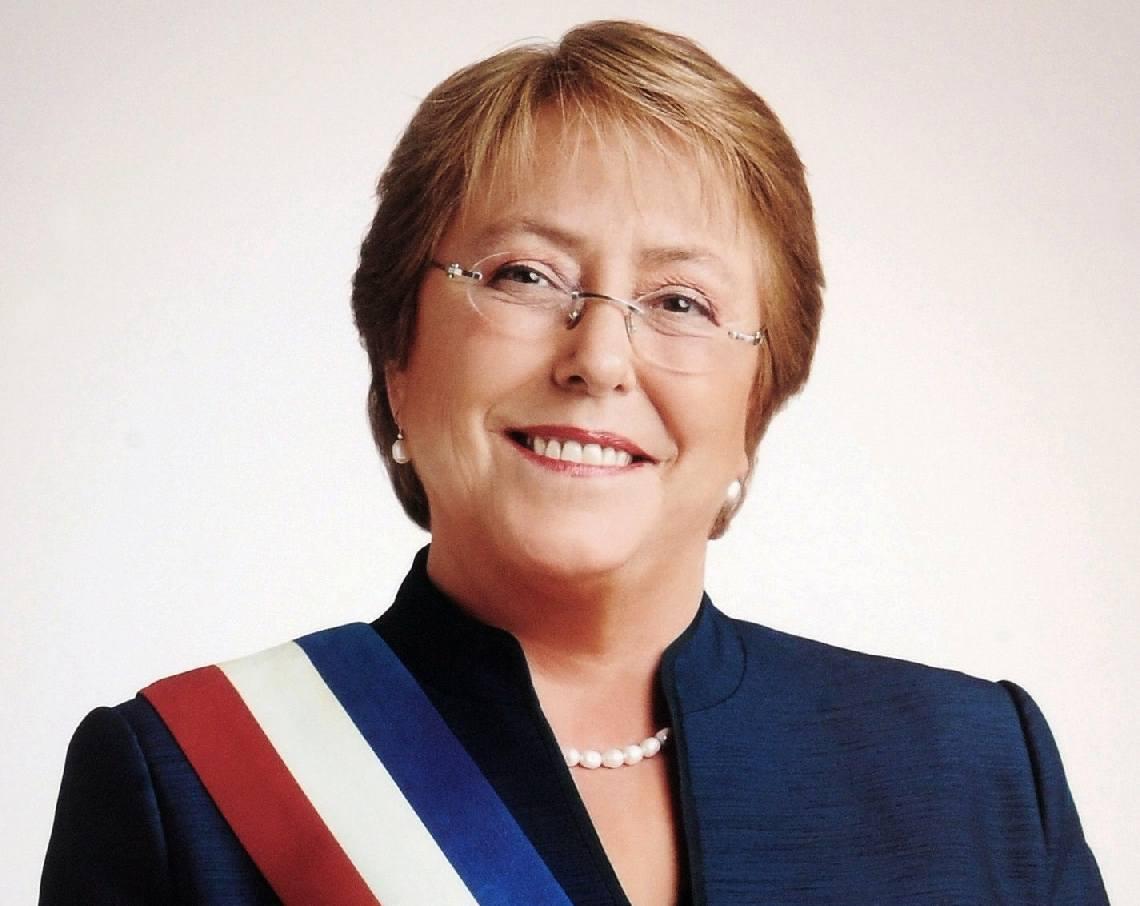
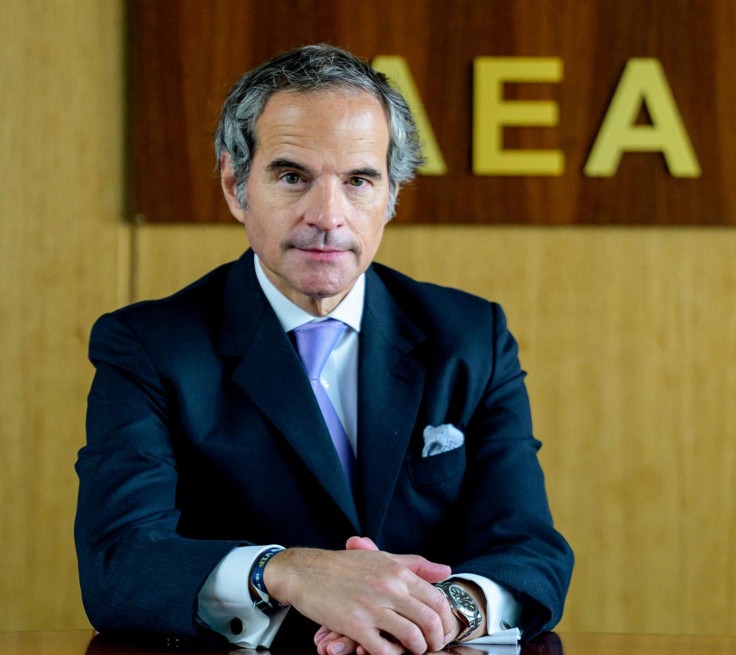
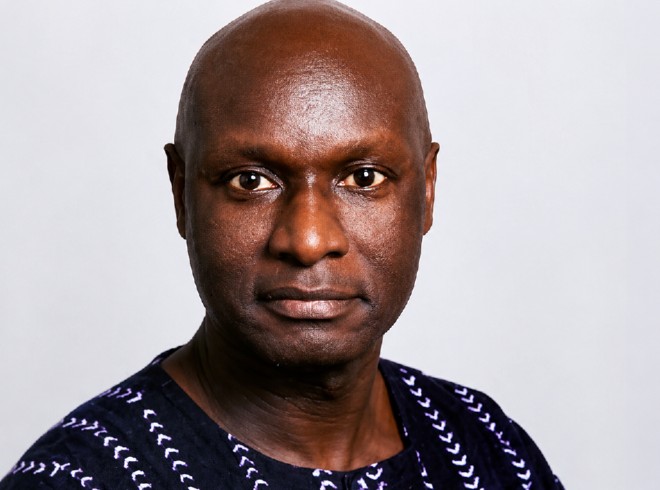
Celebrity Media commentary: The 2026 selection of the UN Secretary-General has renewed discussion of women’s leadership and equal opportunity. Official UN selection documents note that no woman has yet held the office and encourage Member States to strongly consider nominating women. The issue concerns both representation and a fair, credible process for choosing a trusted leader.
The original article argues that candidates should be assessed on competence, character, international perspective, independent judgment and diplomatic skill, rather than gender alone. Women do not share an identical leadership style simply because they are women. Equally, experienced and qualified women should not lose opportunities because of entrenched political habits.
The Secretary-General does not lead a world government or make decisions on behalf of sovereign states. Nevertheless, the office carries important administrative, mediation and multilateral responsibilities. Amid conflict, development gaps, climate change and emerging technology challenges, the ability to build consensus and listen across regions matters beyond symbolism.
Under the established procedure, the Security Council recommends a candidate and the General Assembly makes the appointment. Public interactive dialogues allow Member States and the public to examine candidates’ experience and ideas, while Council consultations remain decisive. Celebrity Media advocates meaningful scrutiny of competence, policies and independence, alongside greater transparency and credibility in the process.
A first woman Secretary-General could be historically significant. Yet progress should also be judged by reform, principled action, attention to vulnerable communities and the Global South, and commitment to peace, development and human rights.
Whoever is appointed, fair competition and public responsibility should guide evaluation. Making history should not replace competence, nor should established habits exclude an outstanding woman. This commentary discusses leadership and institutional fairness without treating unofficial candidate rankings or closed-door voting reports as established conclusions.