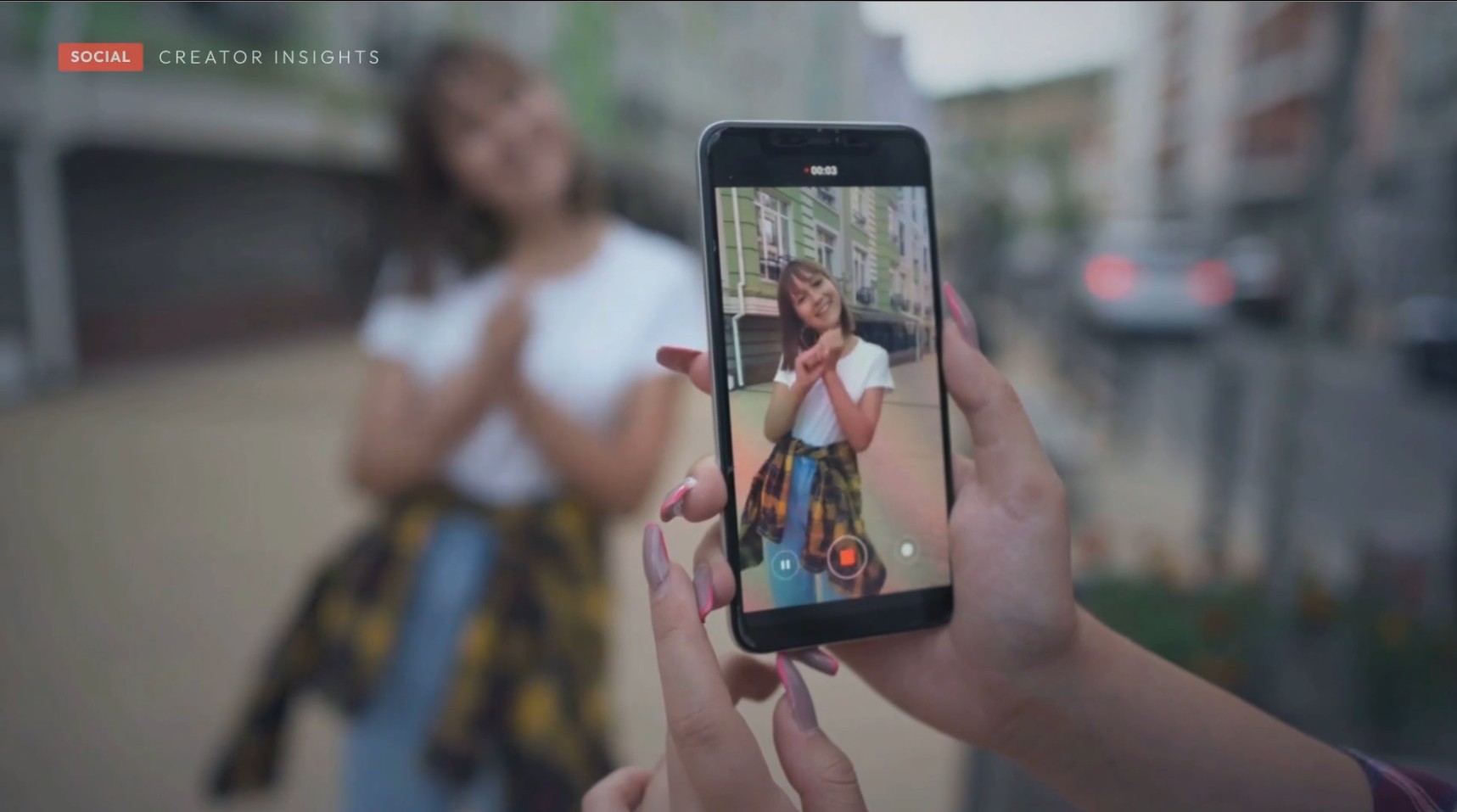
Celebrity Media News Commentary: The Viral Rise of “Niu Lai Le”
Celebrity Media commentary: Taking the online discussion around “Niu Lai Le” as its starting point, the original article asks who decides which content deserves to circulate in the AI era. A work’s visibility is no longer shaped only by editors, production companies or its creator. Audience behavior, platform recommendations and social relationships also influence its reach.
Traditional media select material through reporting, verification and distribution. The internet has given ordinary users publishing and sharing tools of their own. Audiences now participate through viewing, commenting, sharing, editing and remixing. Platforms register these interactions and recommend content to additional viewers, extending its circulation.
Popularity, however, is different from value. Surprise, curiosity and criticism can all attract attention and discussion. Sharing does not necessarily mean endorsement, and a high view count alone establishes neither artistic merit, factual accuracy nor social benefit. Understanding a viral work requires distinguishing approval, controversy and passing curiosity rather than judging success by numbers alone.
The article argues that generative AI lowers barriers to video production, translation, subtitling, voiceover and visual design. Small teams can consequently communicate across languages and platforms. As production becomes easier, audience attention, trustworthy information and lasting public relationships become scarcer. More output does not automatically create trust.
Media transformation therefore requires both technical skills and an understanding of why people watch, leave or participate. Audience choices remain influenced by platform rules, commercial interests and recommendation design. Communication power is being redistributed among media organizations, platforms and the public.
Celebrity Media stresses that studying traffic does not mean embracing poor-quality content. Checking facts, evaluating sources, providing context, explaining complex issues and accepting public responsibility remain essential professional tasks. Future strength lies in combining editorial judgment, AI production, platform distribution and audience participation. Attention opens the door; credibility depends on sustained accuracy, professionalism and responsibility.