UN Reform: Former UN Senior Adviser Abraham Joseph Calls for Broader Representation and Action
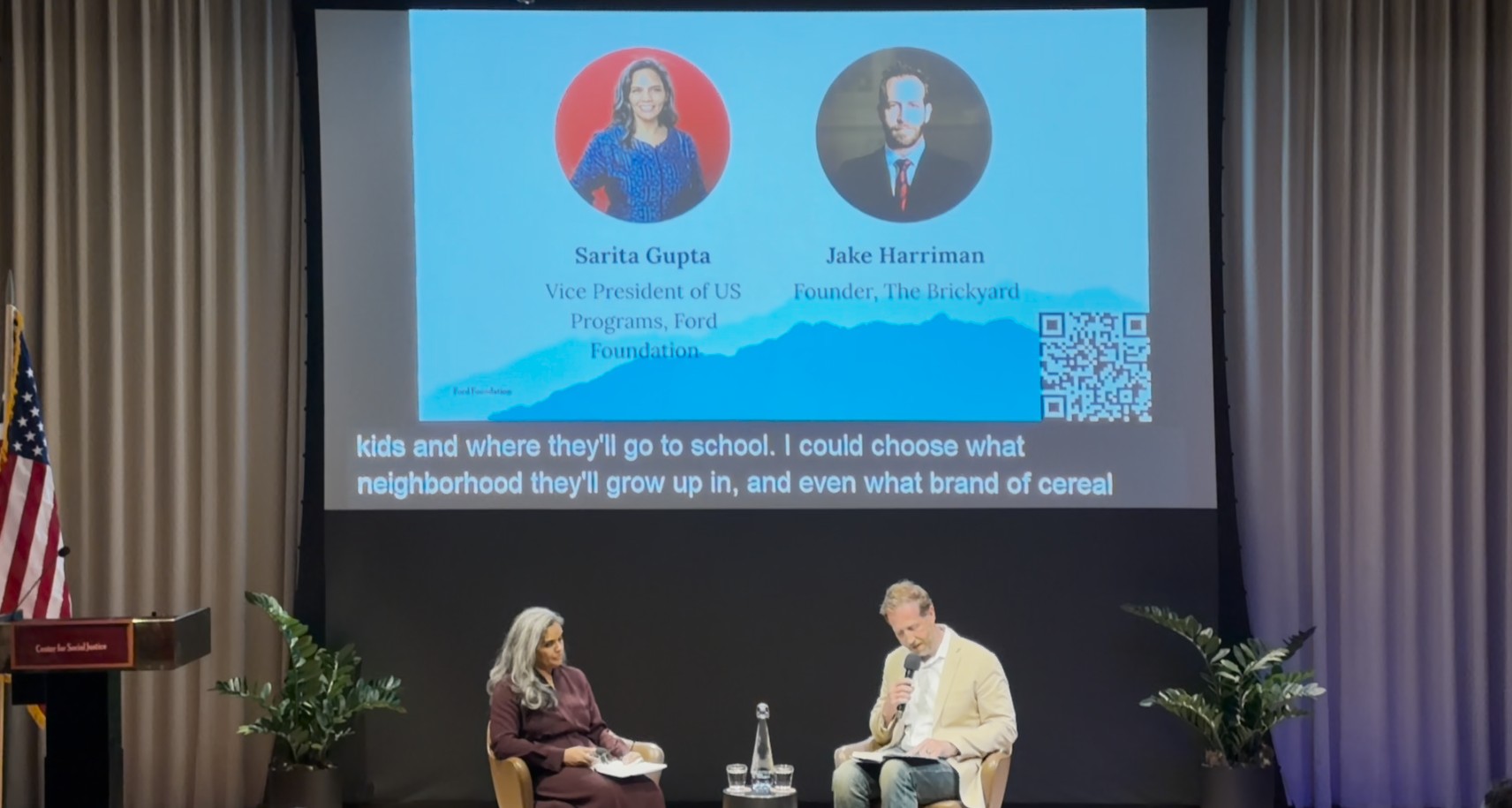
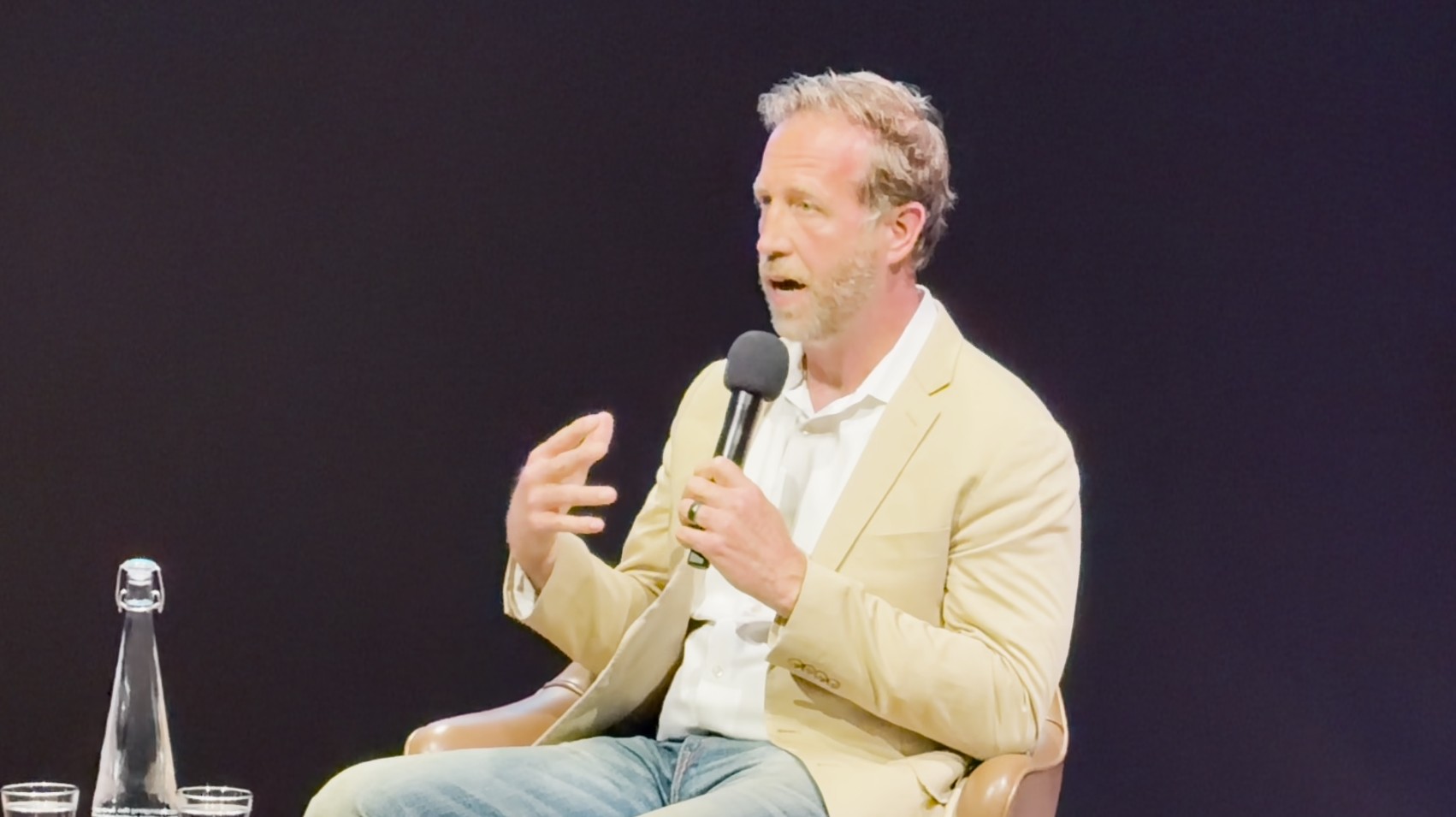
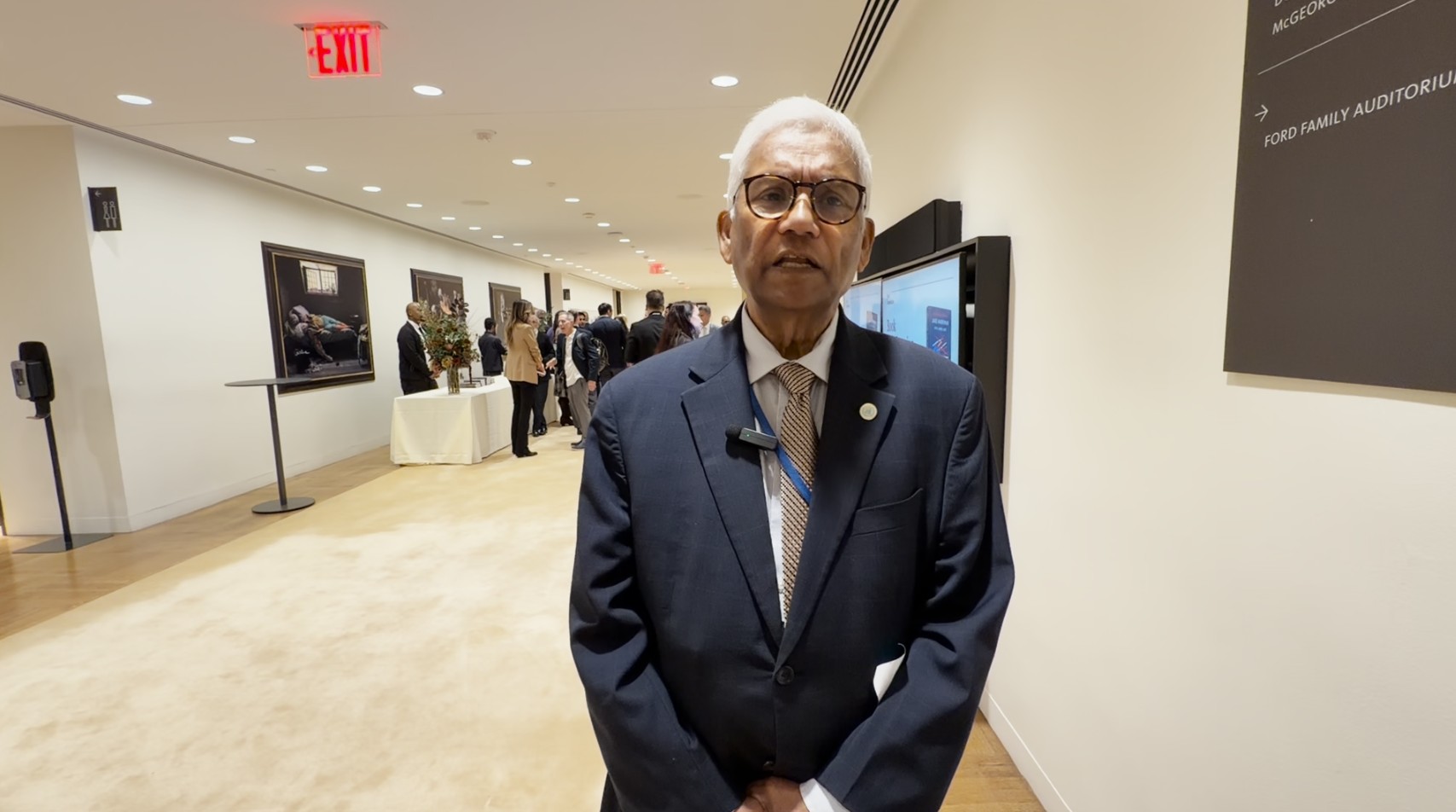
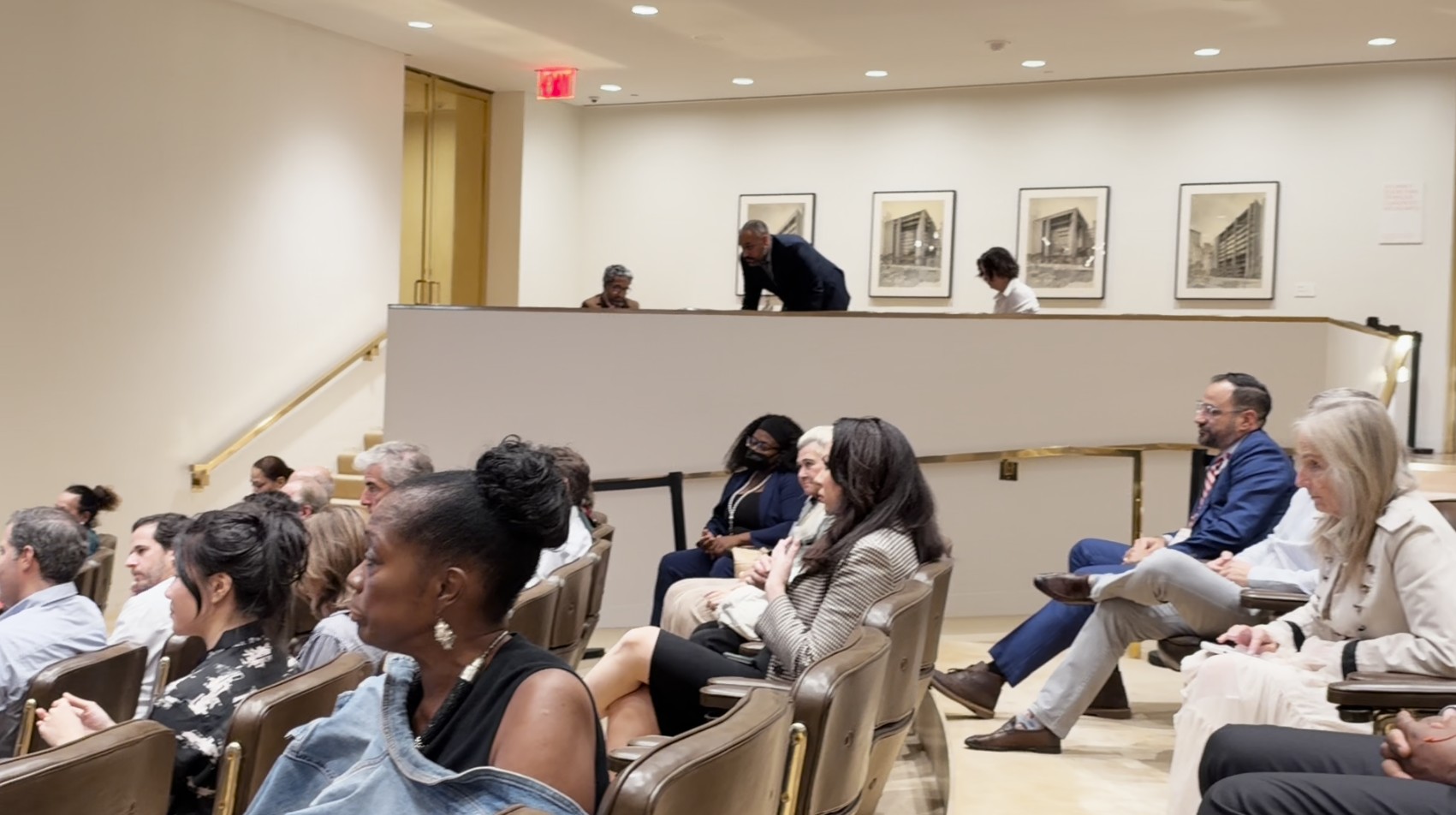
Celebrity Media dispatch: During the Ford Foundation event in New York, “Book Talk: Rescuing the Idea of America,” PeaceTV interviewed Dr. Abraham Joseph, who has more than 30 years of experience working at the United Nations. Drawing on his extensive experience in economic and social development and international affairs, Joseph shared his views on UN reform, the representativeness of the Security Council, and the challenges developing countries face in achieving the Sustainable Development Goals.
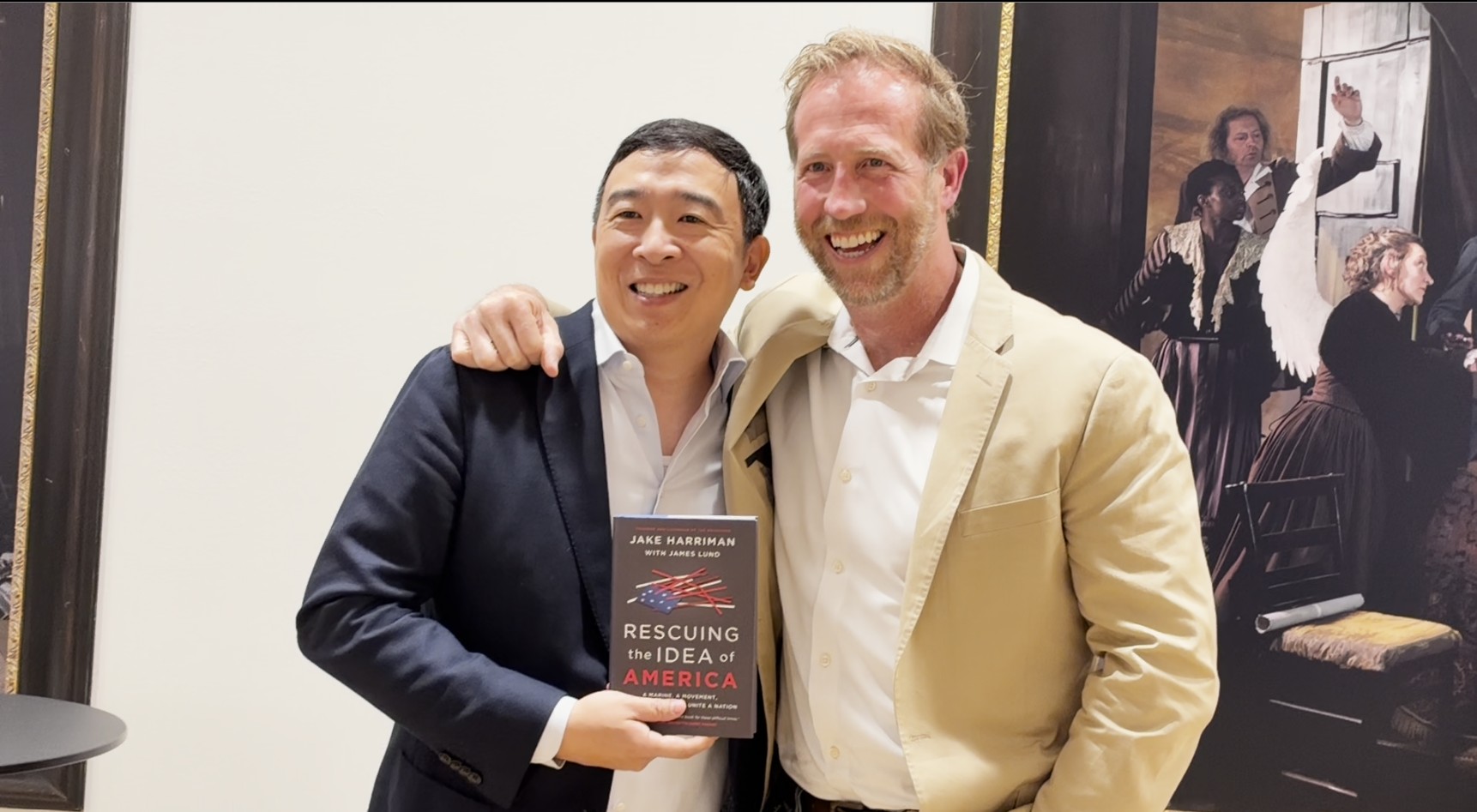
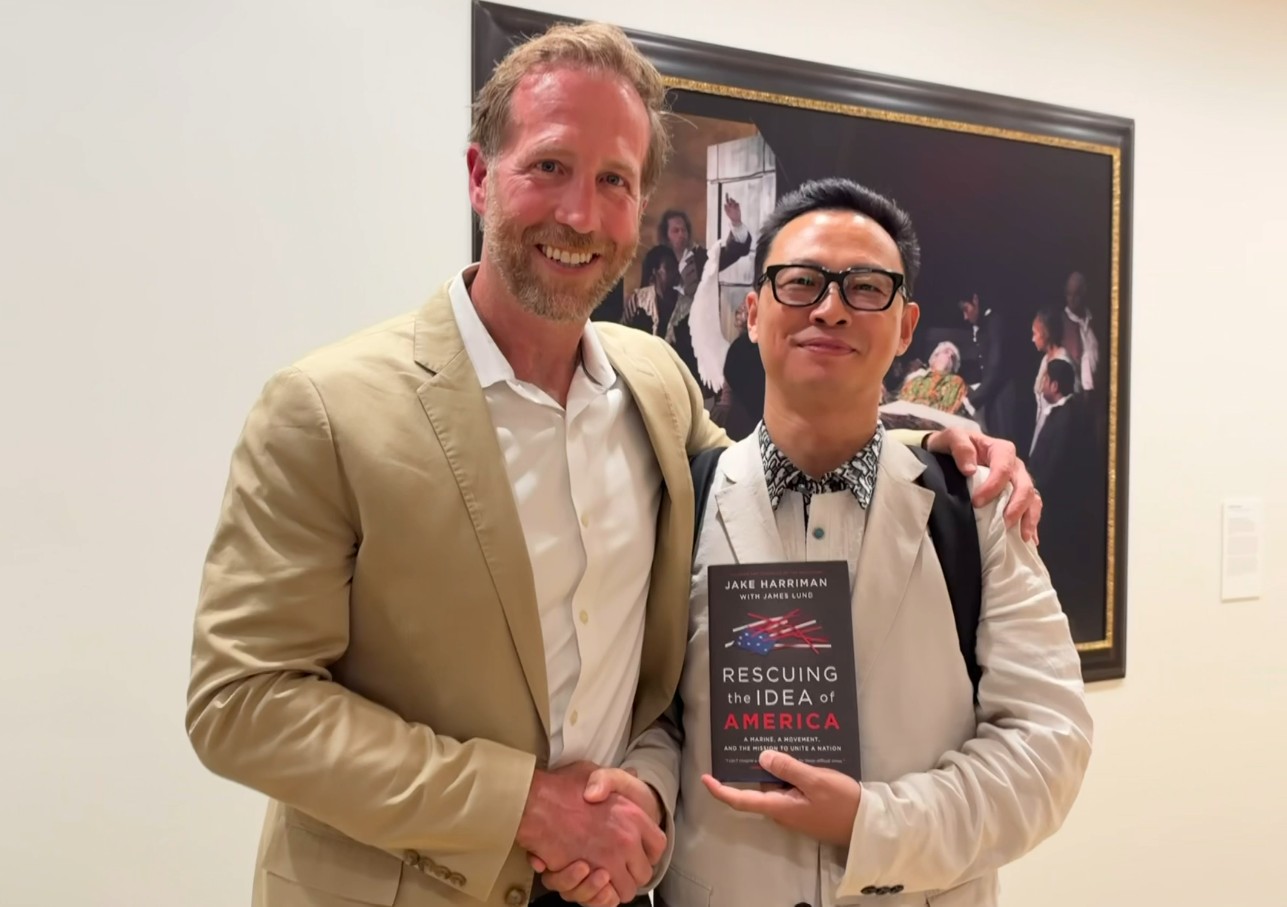
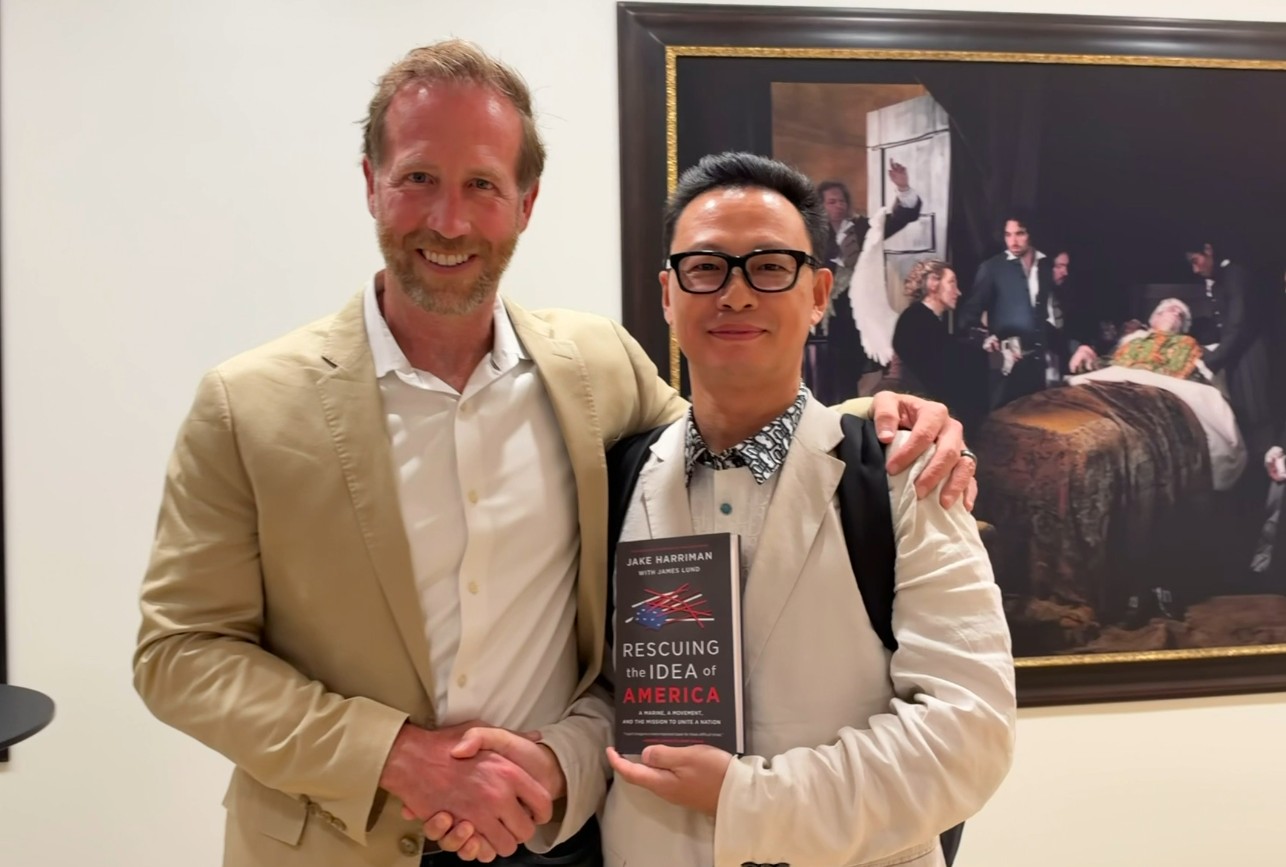
Chinese-American political figure Andrew Yang, a former U.S. presidential candidate and founder of the Forward Party, attended the book talk hosted by the Ford Foundation together with his aides. Vincent Cao — a representative from Japan of the China-based company Changzhou Evergreen Technology Co., Ltd. (Evergreen Technology), who is assistant to the president of Evergreen Technology and its resident sales director in Japan — was also invited to attend. Each of them had a commemorative photograph taken with the author of the book.
More than 30 years of UN work experience: Joseph said that he worked at the United Nations in various capacities for more than 30 years, in fields covering international cooperation, African affairs, least developed countries, landlocked developing countries, small island developing States, and economic and social affairs. He also took part in the UN's work in Timor-Leste.
After retiring, Joseph served as Special Adviser to the Foreign Minister of Timor-Leste. He currently continues to give briefings on UN affairs to university students, the private sector and non-governmental organizations, and offers advice on applications and career development to young people who wish to join the United Nations.
“Without the United Nations, global conflicts could become more dangerous”: Speaking about the role of the United Nations, Joseph stressed that although there have long been differing views outside the organization on its efficiency, organizational structure and representativeness, the United Nations remains an indispensable and important institution in the international system.
He said that without the United Nations, the world might face a higher risk of large-scale military conflict. In his view, the existence of the United Nations helps keep regional crises under control and prevents conflicts from escalating further into disasters that affect the whole world.
Joseph acknowledged that the United Nations indeed has many shortcomings, but he believes that in today's world of continuing wars, geopolitical tensions and global instability, the United Nations still plays a vital role in dialogue, coordination and crisis management.
Calling for broader representation on the UN Security Council: Joseph pointed out that when the United Nations was founded in 1945 it had only about 50 member states, while today it has grown to 193. At the same time, the global political landscape and the challenges facing the international community have undergone enormous change.
He believes that the organizational structure of the United Nations must be reformed accordingly, especially the composition of the Security Council. Taking Africa as an example, Joseph noted that the African continent has more than 50 countries, yet no African country currently holds a permanent seat on the UN Security Council. Meanwhile, Africa remains a region where many regional conflicts, development crises and humanitarian challenges occur.
He said that if the Security Council wishes to respond to global security issues more effectively, the countries and regions directly affected by the relevant crises should have fuller representation and play a more important role in shaping solutions.
The development challenge lies not only in goals, but in resources and implementation capacity: Joseph also spoke at length about international development. He said that international development affairs have always been an important part of his UN experience. He recalled that even before the Millennium Development Goals were proposed, the United Nations had already adopted a large number of resolutions on children, the environment, population and human settlements.
However, many countries ultimately failed to implement these commitments effectively, not because the goals were unimportant, but because many developing countries lack sufficient financial resources, professional personnel and institutional implementation capacity.
The United Nations launched the Millennium Development Goals (MDGs) in 2000, to be implemented until 2015. It then introduced the Sustainable Development Goals (SDGs), with an implementation period from 2015 to 2030.
Joseph said that the Sustainable Development Goals made some progress in the early stage of implementation, but the COVID-19 pandemic severely affected many developing countries, and some have still not fully shaken off its economic and social impact.
Declining development assistance brings greater pressure: Joseph pointed out that shrinking development finance is another major challenge facing developing countries today. He said that international development resources, including official development assistance and bilateral and multilateral aid, are declining. Yet at the same time, developing countries need international support more than ever in education, institution-building, human resources, public services and economic recovery. He believes that a shortage of funds will directly limit developing countries' ability to achieve the Sustainable Development Goals and may further widen development gaps between countries.
“Now is the time for action”: Looking ahead, Joseph said that UN reform should rely less on simply adopting more resolutions and devote more attention to the actual implementation of the consensus and decisions already reached. He said: “The focus should be on action. There have been enough decisions made through resolutions; now is the time to act.”
Joseph hopes that UN member states will in future attach greater importance to practical implementation and, through more concrete policies, resource commitments and international cooperation, help developing countries strengthen their human and institutional capacity, while jointly addressing war, poverty, inequality and other global crises affecting human society.
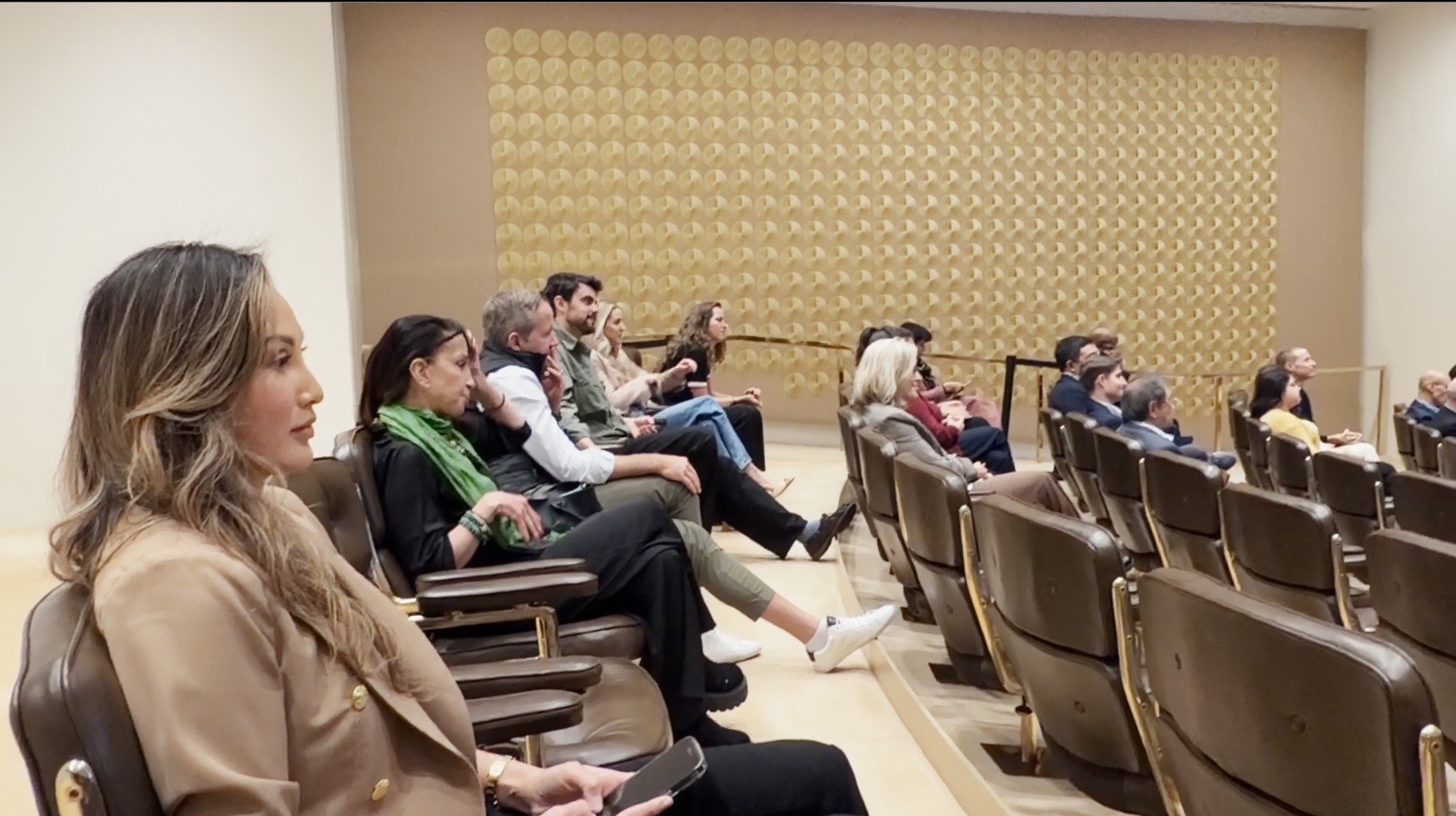
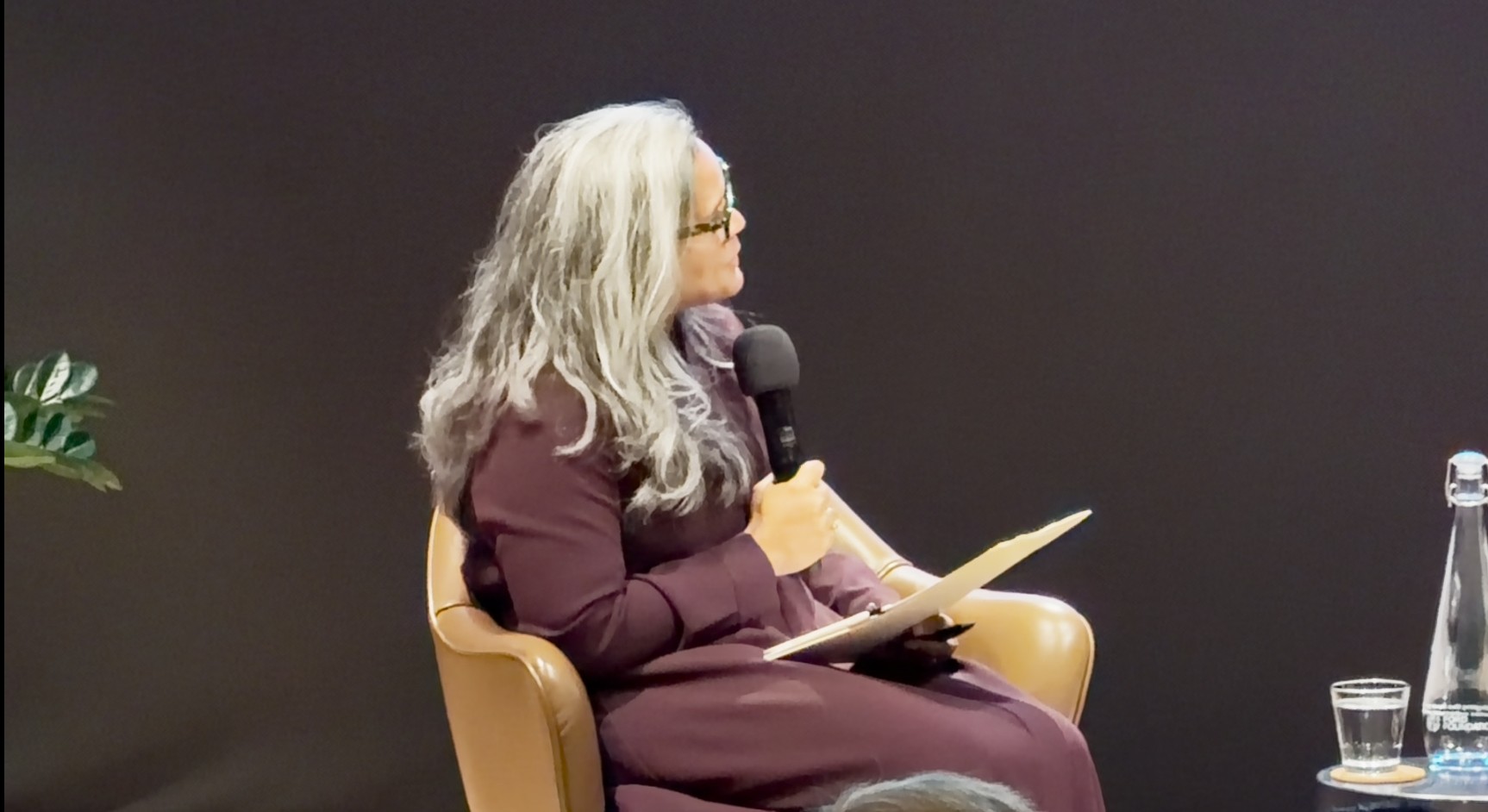
From challenges in American society to global governance: The “Book Talk: Rescuing the Idea of America” event held that day centered mainly on topics such as political and social divisions in American society, civic responsibility, public trust and civic participation.
Although the event itself focused mainly on American society, in his interview with PeaceTV Joseph extended the discussion further to global governance and international development.
His central view is that, whether the issue is UN reform, the sustainable development of developing countries, or social trust within a single country, the real challenge lies not only in setting goals or adopting resolutions, but in how to truly turn ideas, commitments and international consensus into concrete action.