Celebrity Media Editorial: Does the United Nations Need a Woman Secretary-General? History Will Eventually Provide an Answer
Celebrity Media editorial department: In 2026, the selection of the United Nations Secretary-General has entered a critical stage.
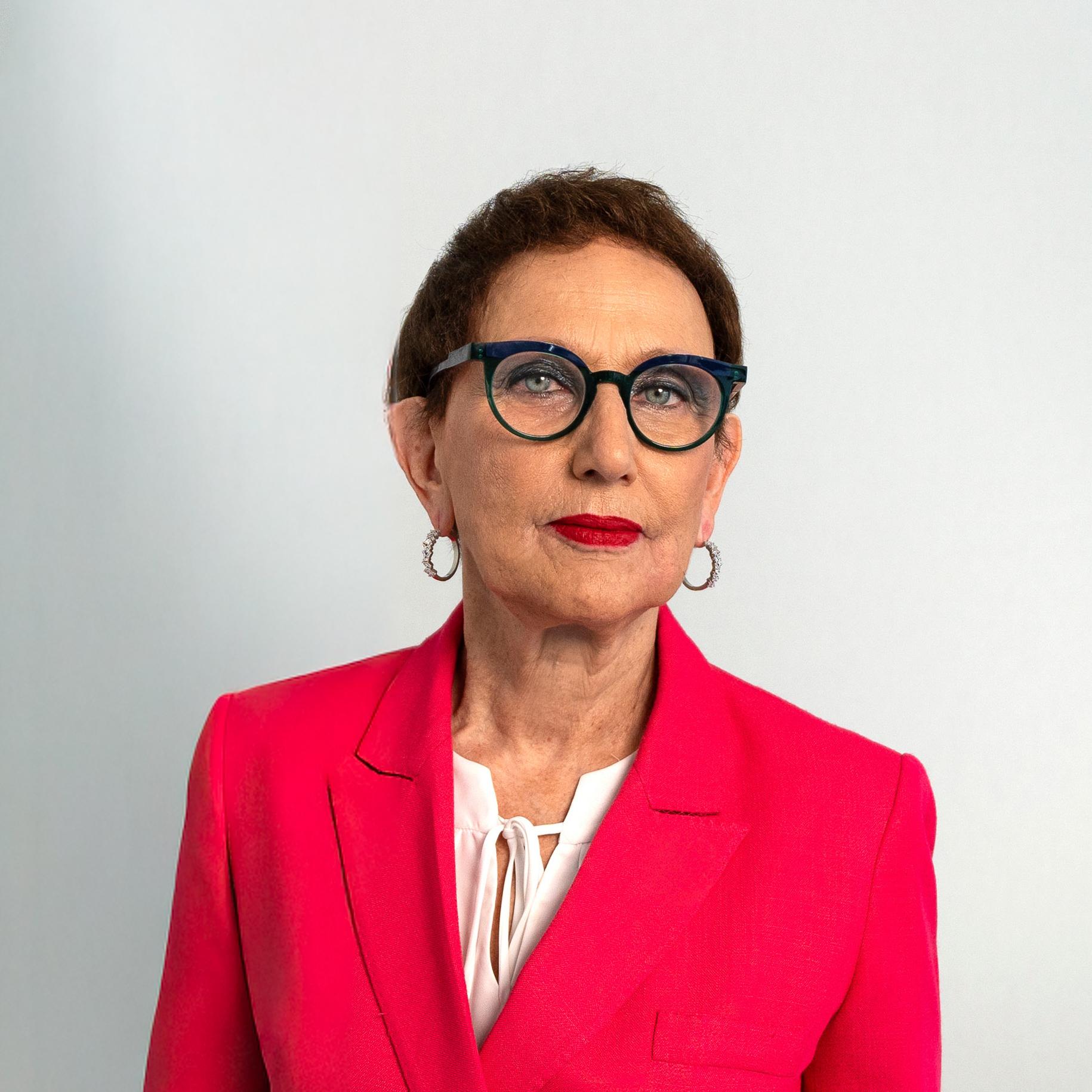
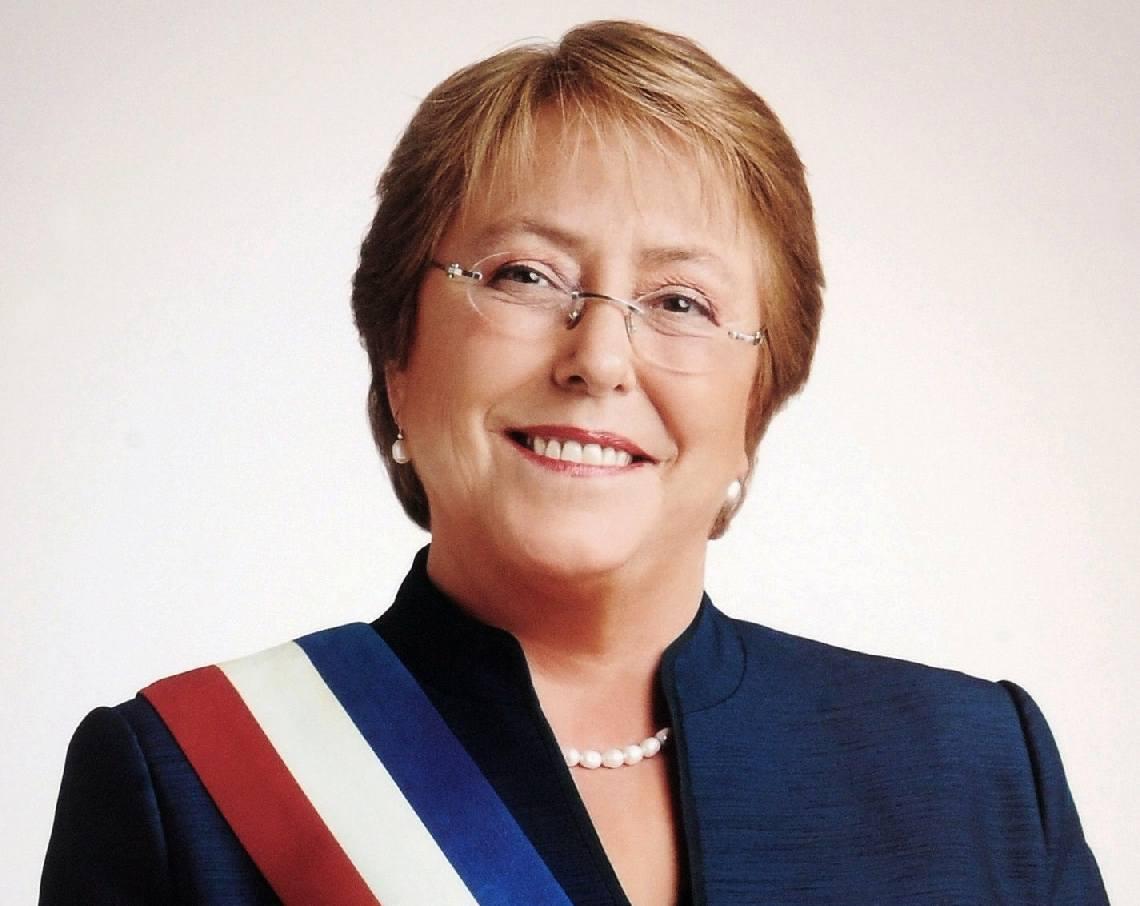
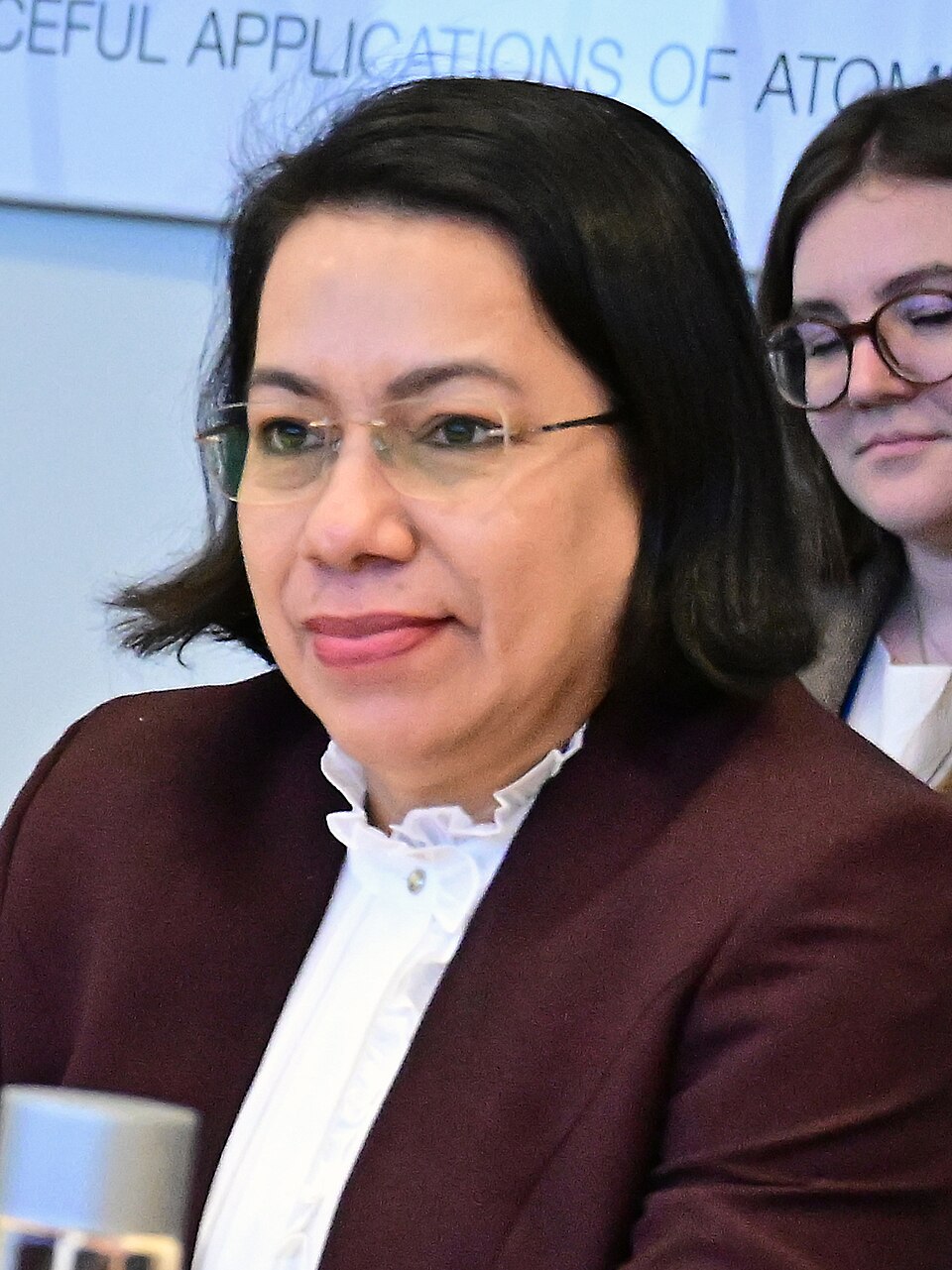
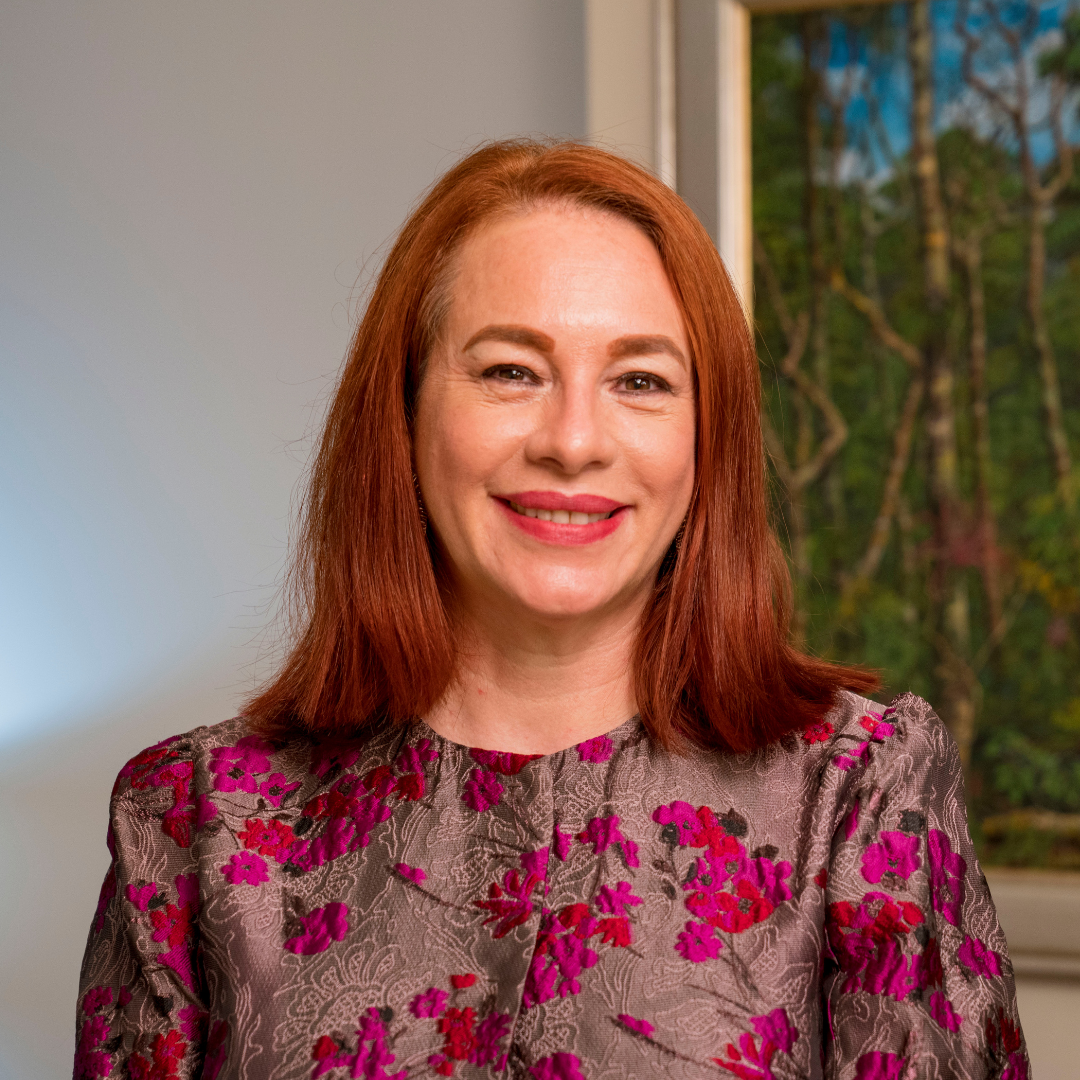
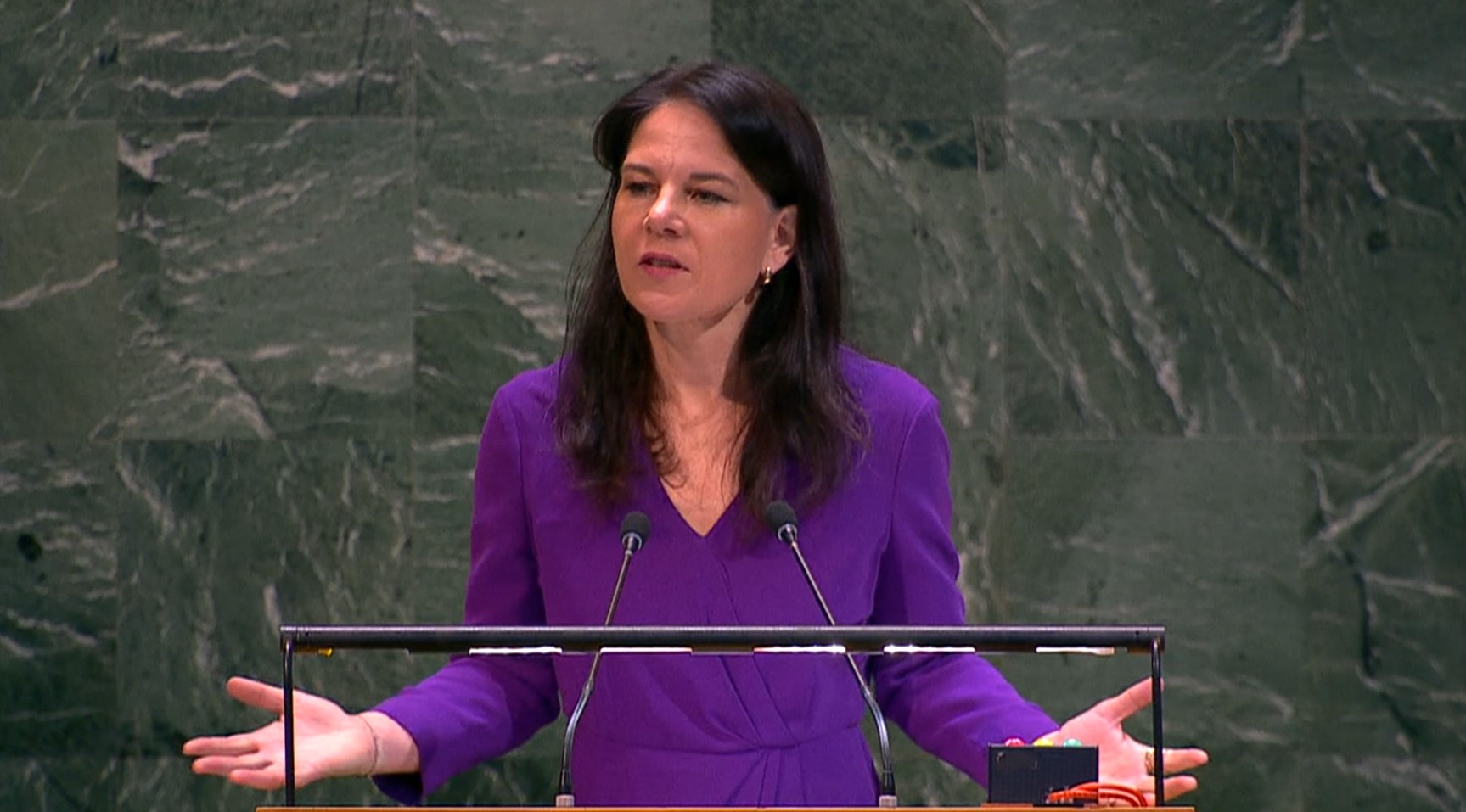
Seven candidates are undergoing a closed-door assessment by the UN Security Council. According to diplomatic sources cited by a number of media outlets, after the first informal straw poll, two women candidates were temporarily in the lead, once again showing the world the possibility that the United Nations may have its first woman Secretary-General, and placing before the international community a question that has been discussed for decades:
Is the United Nations ready to welcome its first woman Secretary-General?
The answer to this question depends not only on the candidates' abilities, but also on whether the Security Council can rise above the interests of the major powers, political inertia and gender bias, and make a choice that will stand the test of history.
The United Nations was founded in 1945. For more than eighty years, successive Secretaries-General have come from Europe, Asia, Africa and Latin America, yet without exception they have all been men.
From the Cold War to the post-Cold War era, from peacekeeping to the promotion of sustainable development, from the Millennium Development Goals to the 2030 Agenda for Sustainable Development, the United Nations has gone through one major transformation after another. Yet today, when nearly half the world's population is female, a woman has still never held the Organization's highest administrative post.
Is this an accident of history, or the inertia of international politics formed over a long period of time?
The world today faces a situation of unprecedented complexity: regional conflicts drag on, geopolitical competition continues to intensify, artificial intelligence is rapidly changing the way societies function, and climate change, public health, poverty and the global development gap are interwoven.
The Secretary-General is not the leader of a “world government,” cannot decide international affairs alone, and cannot take the place of sovereign states in making choices. But the Secretary-General is not only the Organization's highest administrative officer; he or she is also an important symbol of the spirit of the UN Charter, a mediator in international crises, a promoter of multilateral cooperation, and an important voice for the world's vulnerable and neglected.
The world therefore needs not only someone who can manage the UN's institutions, but even more a leader who can keep an independent judgment among the major powers, promote dialogue among parties to a conflict, and rebuild consensus when the international community has lost trust.
Are women naturally better suited than men to serve as Secretary-General of the United Nations?
The answer is, of course, no.
The criteria for selecting a Secretary-General should not be gender alone, but should include ability, character, an international outlook, credibility, independence, and the political wisdom to coordinate complex international relations. Women leaders likewise have different political positions, governing experience and leadership qualities; they cannot be given the same evaluation merely because they are of the same sex.
Yet when a number of women candidates already have the experience and ability required to serve as Secretary-General, the international community must also think seriously: should the United Nations continue a history of more than eighty years in which a woman has never been chosen as Secretary-General?
True equality is not unconditional support for her because she is a woman. True equality is that, when she has the same or even greater ability, she is no longer denied the opportunity because she is a woman.
The emergence of the first woman Secretary-General would of course have important symbolic meaning, but symbolism alone is not enough.
If a woman were merely the safest choice under a political compromise among the major powers, yet were unable to remain independent, to promote reform, or to state a position publicly in a major crisis, then a breakthrough in gender would not necessarily mean a breakthrough in United Nations leadership.
What the international community needs is not only a change of gender in the UN's highest office, but a genuine renewal of leadership, institutional reform and the spirit of multilateralism.
The Secretary-General must ultimately be recommended by the Security Council. A candidate must obtain at least nine votes in the Council and must not be vetoed by any permanent member, and is then appointed by the General Assembly.
This means that what decides the final outcome is still the complex politics of the major powers, and not only a candidate's résumé, public expectations or international standing.
History also tells us that the person finally elected Secretary-General is often not necessarily the most dazzling or the most closely watched candidate in public opinion, but the one who can be broadly accepted by the members of the Security Council, especially the five permanent members.
Therefore, the coming rounds of informal straw polls, and changes in the attitudes of the permanent members, will directly affect the final course of this selection.
This once again exposes a long-standing problem in the mechanism for selecting the Secretary-General.
In recent years, candidates have begun to take part in public dialogues, allowing the international community to learn about their experience, ideas and policy positions; this is a step forward that deserves to be recognized. But the Security Council consultations and the decisive votes that truly determine the result are still conducted behind closed doors.
If the United Nations requires countries to practice good governance, public accountability and institutional transparency, then the process by which the United Nations chooses its own highest administrative leader should also be subject to more thorough international scrutiny.
The result of the selection is of course important; whether the process is fair, open and credible likewise affects the credibility of the United Nations.
Celebrity Media believes that, whoever is finally elected, the next Secretary-General must face squarely the real difficulties confronting the United Nations: the Security Council frequently reaches a deadlock in major conflicts, UN institutions are under financial pressure, multilateralism is being shaken by unilateral action and competition among the major powers, the development demands of countries of the Global South have still not been fully met, and the ethical and governance challenges brought by emerging technologies are expanding rapidly.
The next Secretary-General must attach greater importance to peace, development, human rights, the ethics of technology, and the fair participation of countries of the Global South, and, in an international environment of growing division, must work to restore the international community's trust in the United Nations.
If 2026 ultimately produces the first woman Secretary-General in the history of the United Nations, this will not only be a historic breakthrough in the Organization's leadership, but will also become an important moment in the global process of gender equality.
But whether this historical significance can be turned into genuine progress will still have to be proved by her future leadership, independent judgment and practical action.
If this selection ultimately still fails to produce the first woman Secretary-General, the international community will also have reason to ask: is it because other candidates were indeed more outstanding, or because an invisible threshold, hidden behind closed-door consultations, the interests of the major powers and political inertia, has still not disappeared?
The vote can only tell the world who is finally elected; whether that choice is the right one must be tested together by time, by action and by history.
The United Nations also needs to further increase the openness and transparency of the selection process, reduce political bargaining behind the scenes, and allow candidates' ability, ideas and independence to be more fully tested by the international community.
A more just, inclusive and united United Nations is not only the ideal of 1945, when the Organization was founded; it should also be the direction of the international community's common efforts in the twenty-first century.
The United Nations has arrived at a new crossroads.
The vote in 2026 will decide who becomes the next Secretary-General, and her or his actions will decide how the international community evaluates that choice.
The answer may soon be revealed, but history's judgment is only just beginning.
Celebrity Media has reason to say this: the United Nations should not choose a woman in order to make history; but neither should it, in order to preserve history, once again miss the most outstanding woman.