UN Deputy Secretary-General Amina Mohammed and Ministers Take Stock of Progress toward the Sustainable Development Goals at the 2026 High-level Political Forum Africa Day
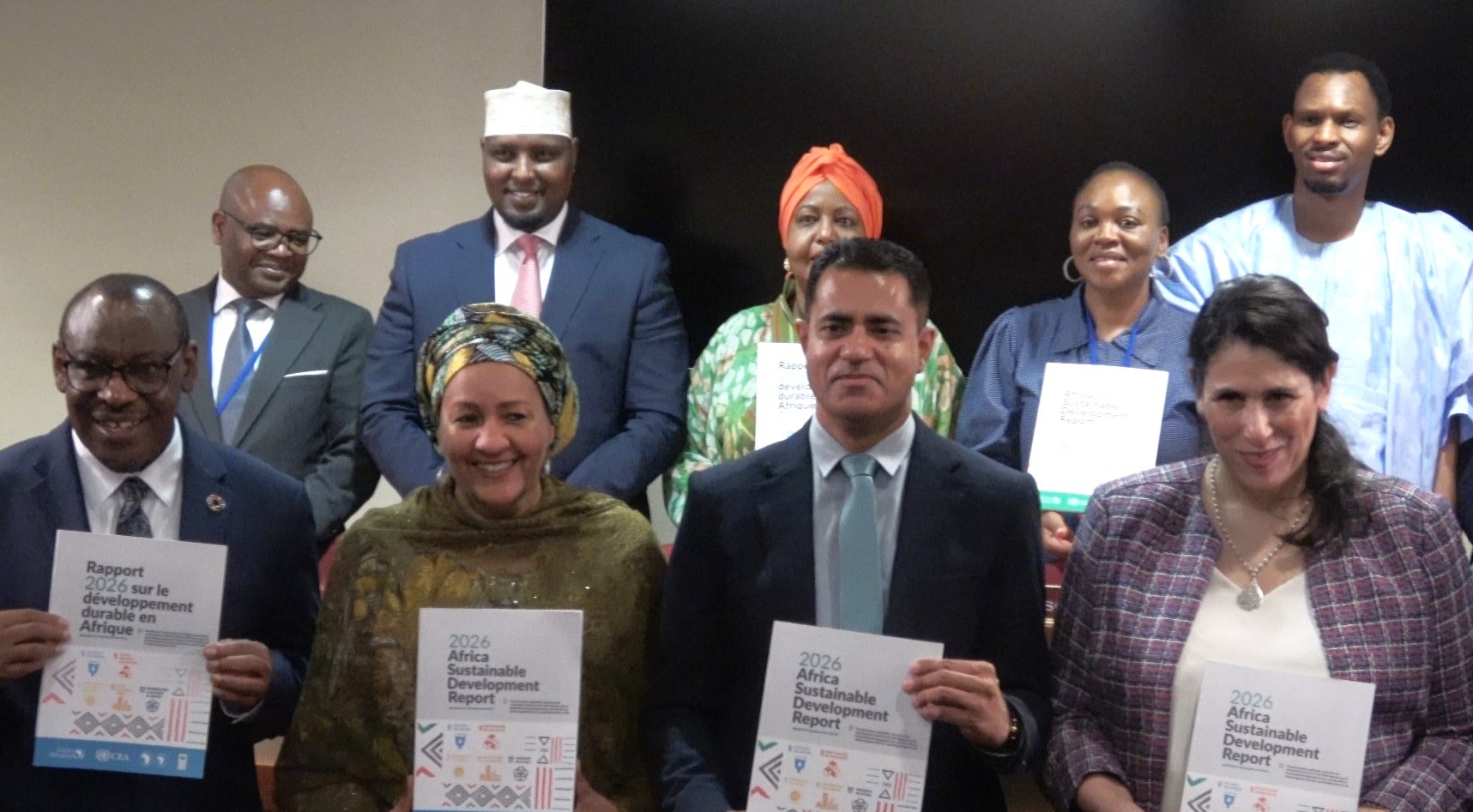
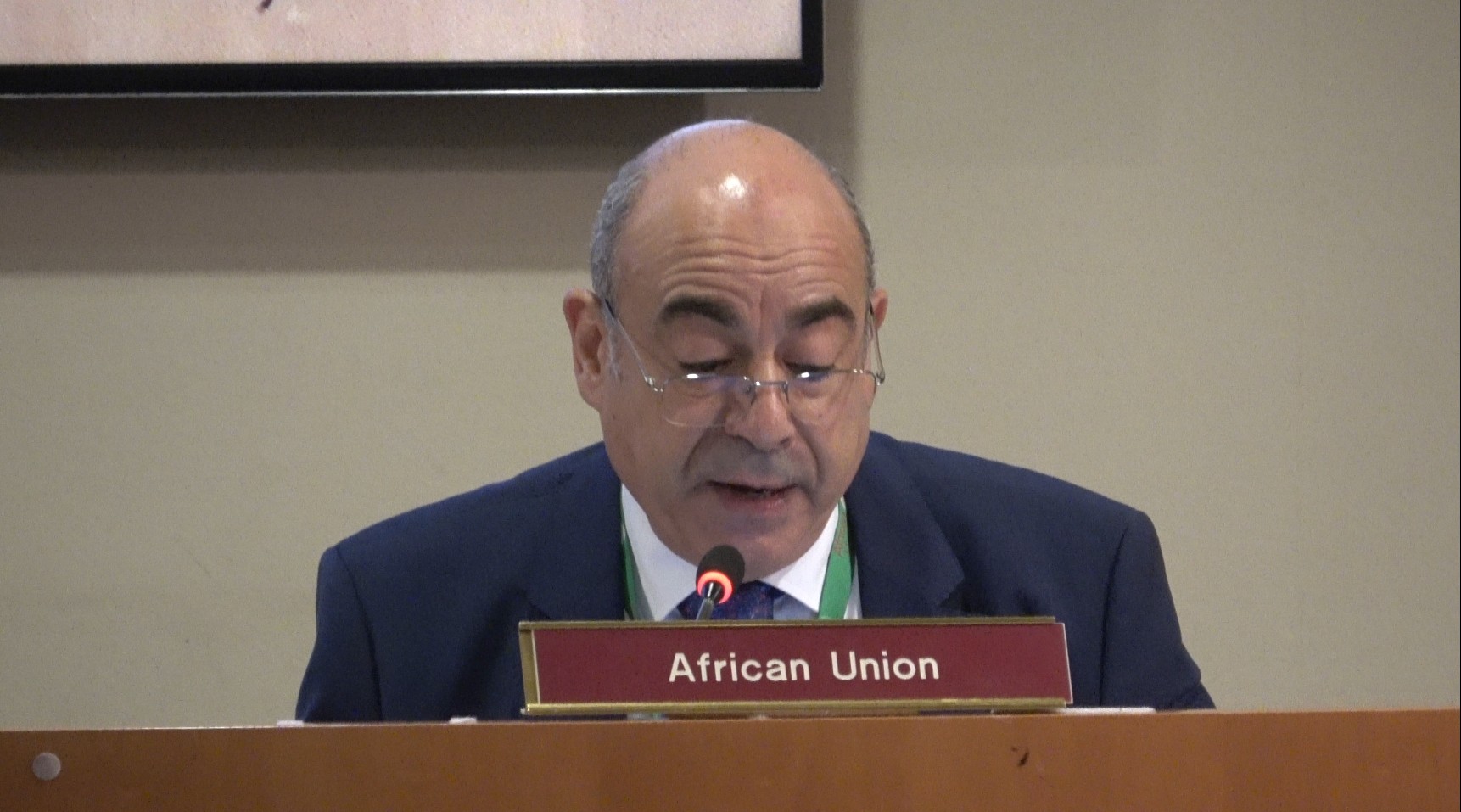
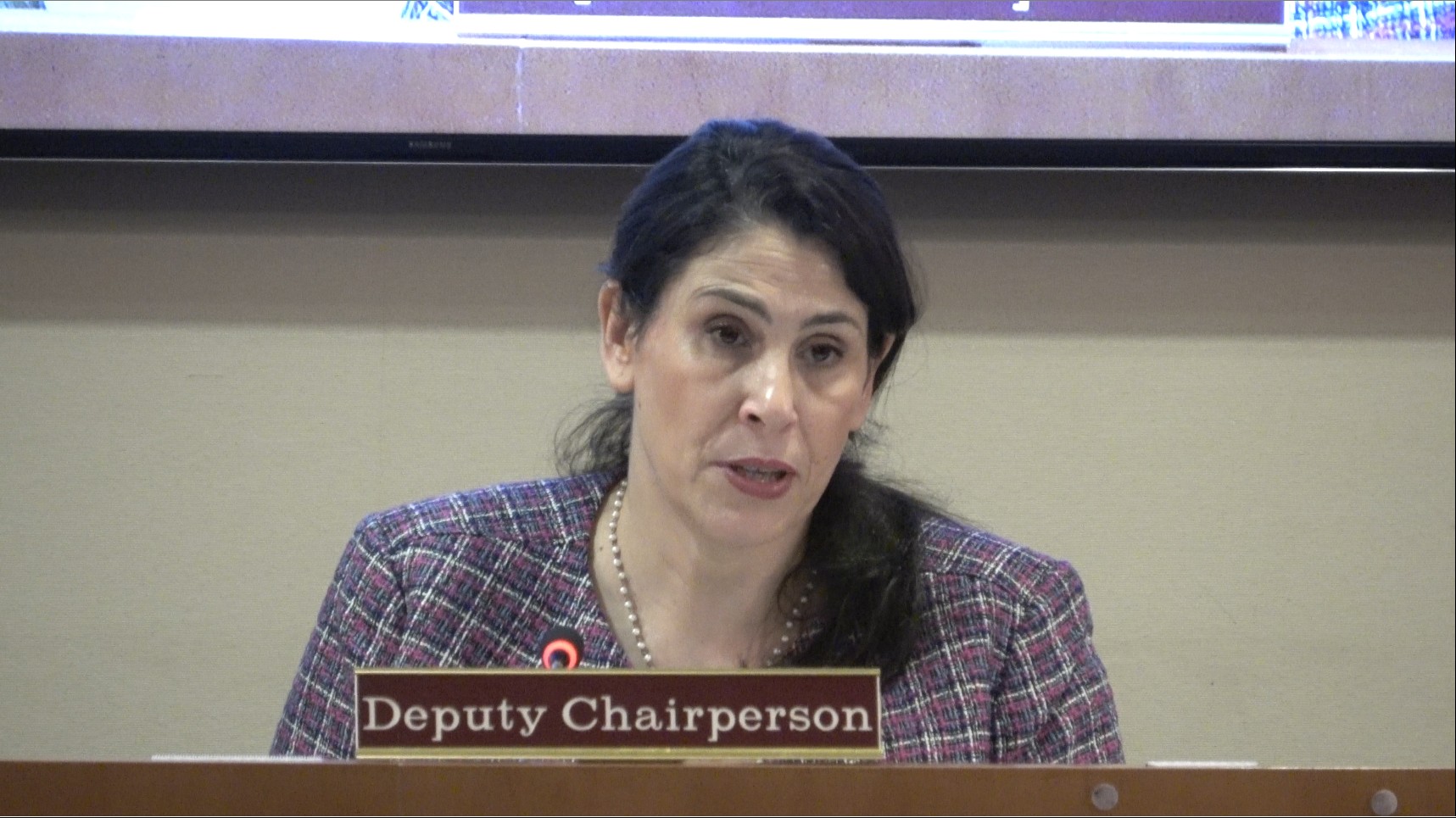
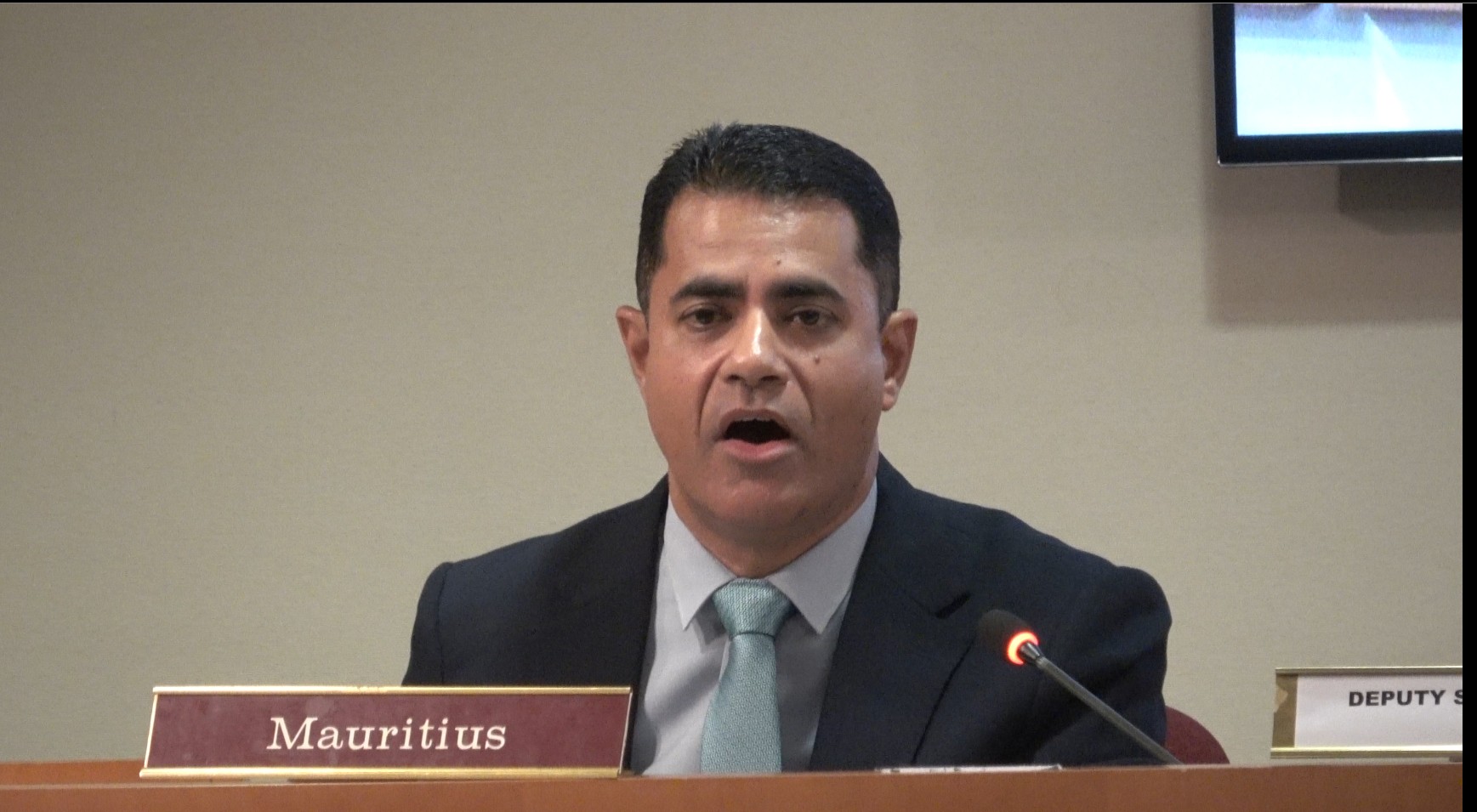
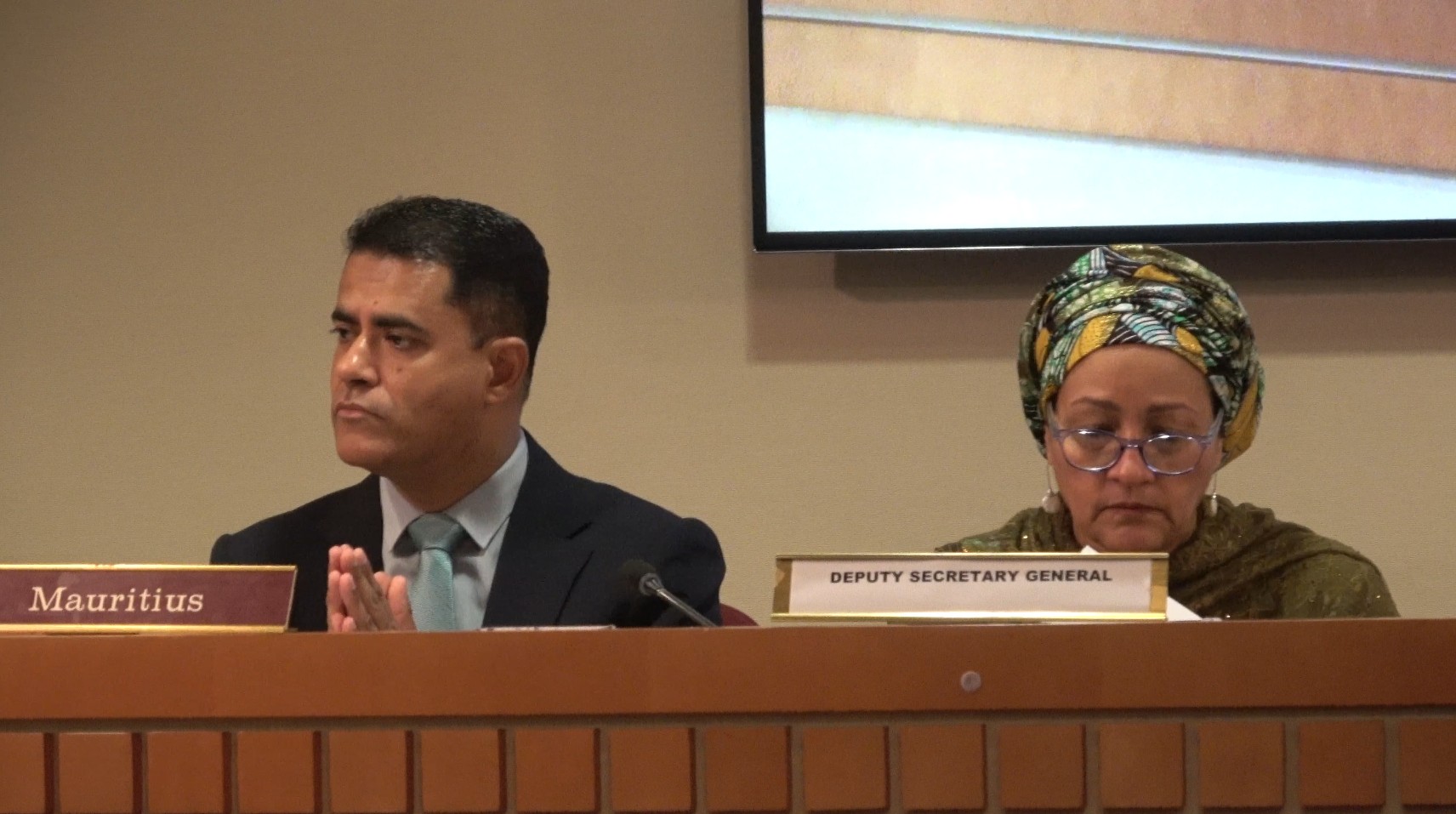
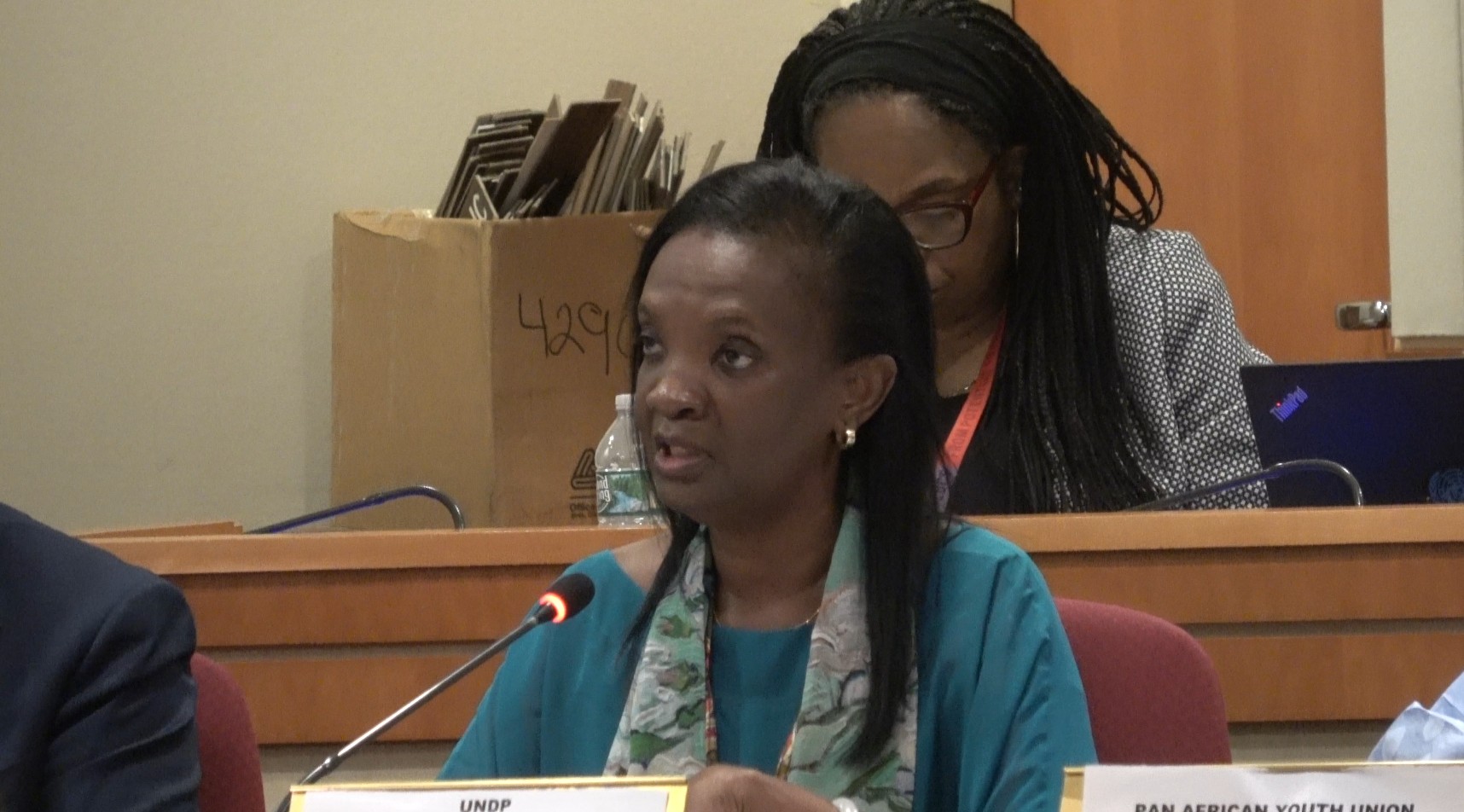
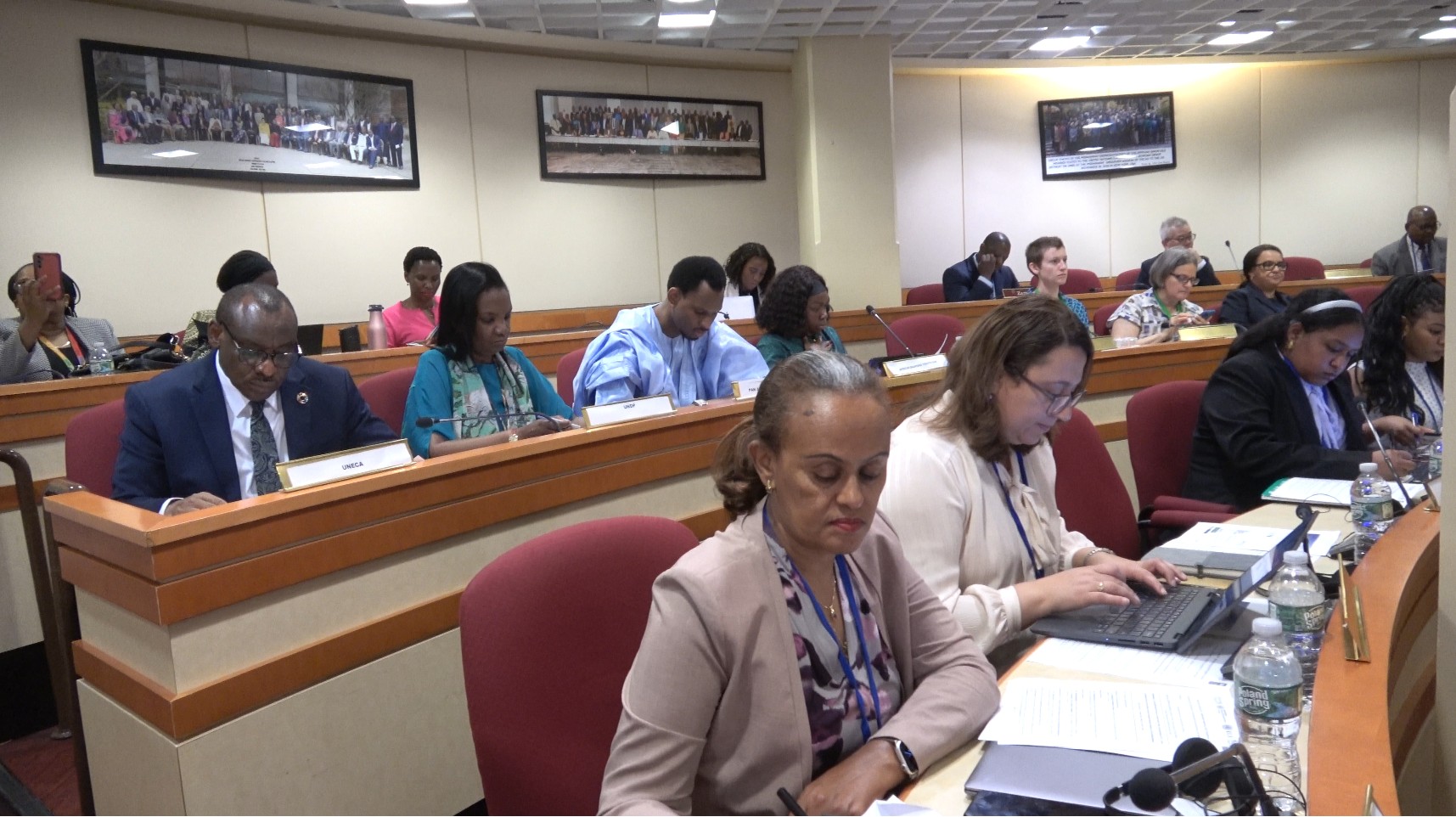
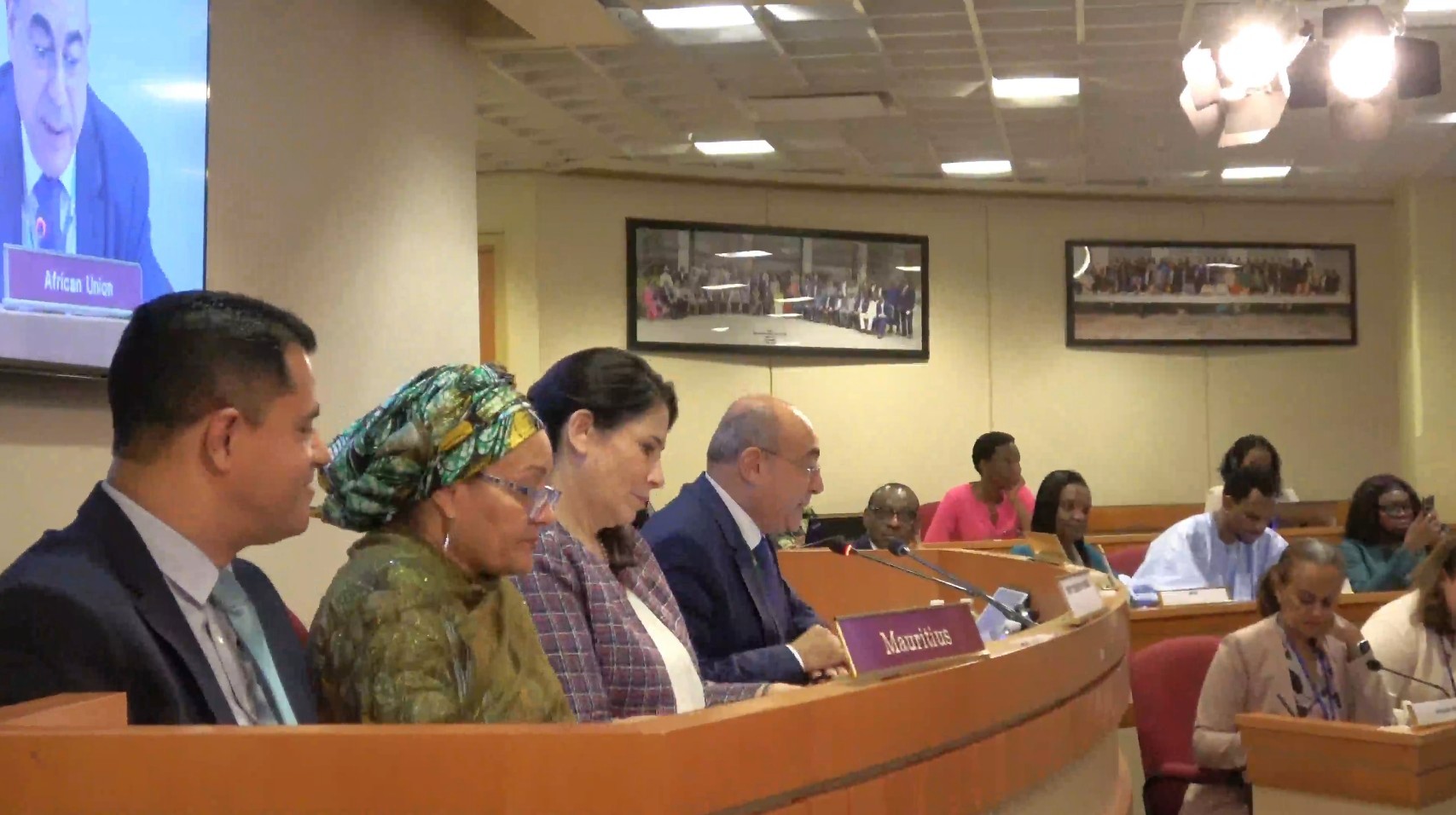
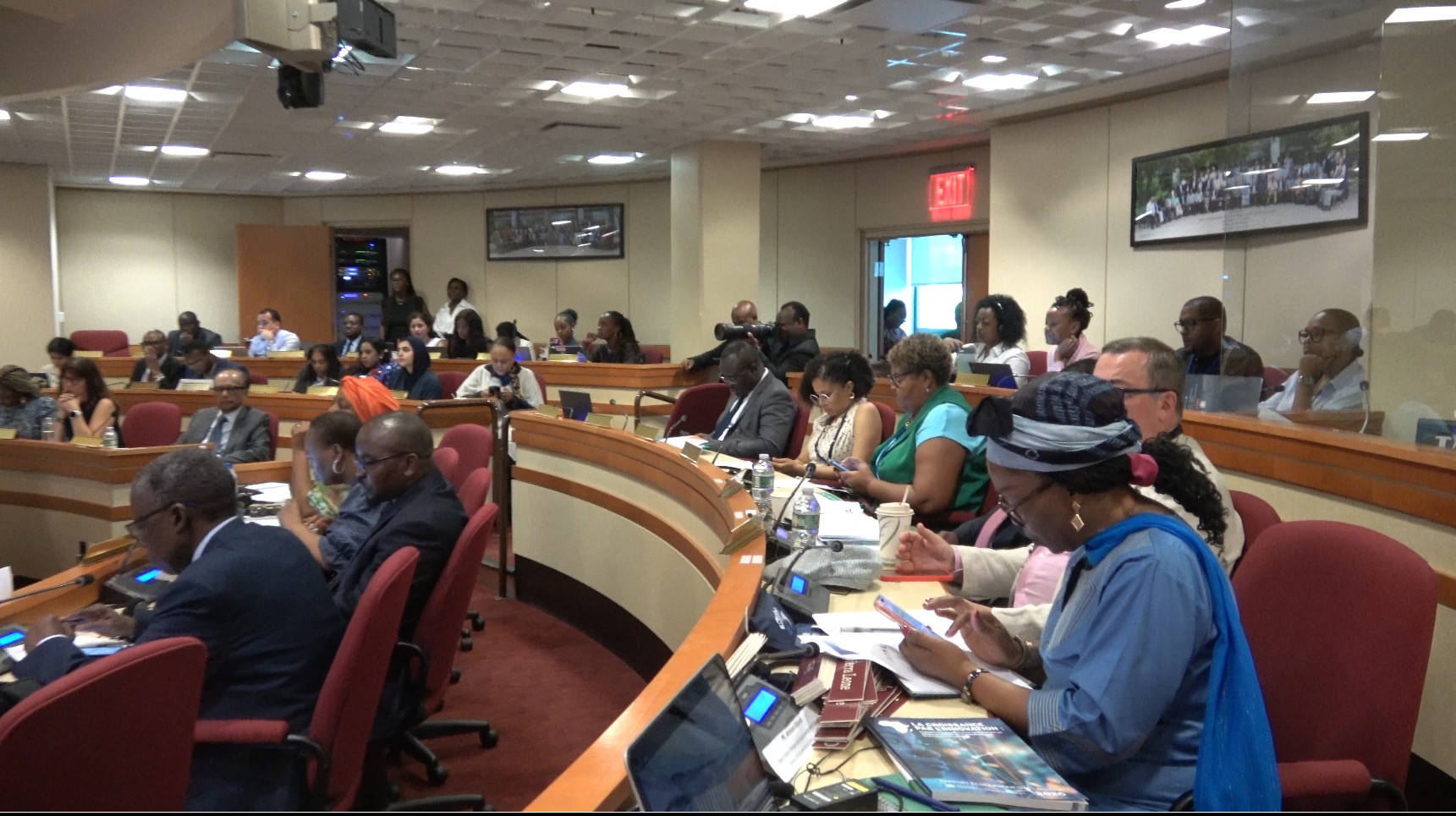
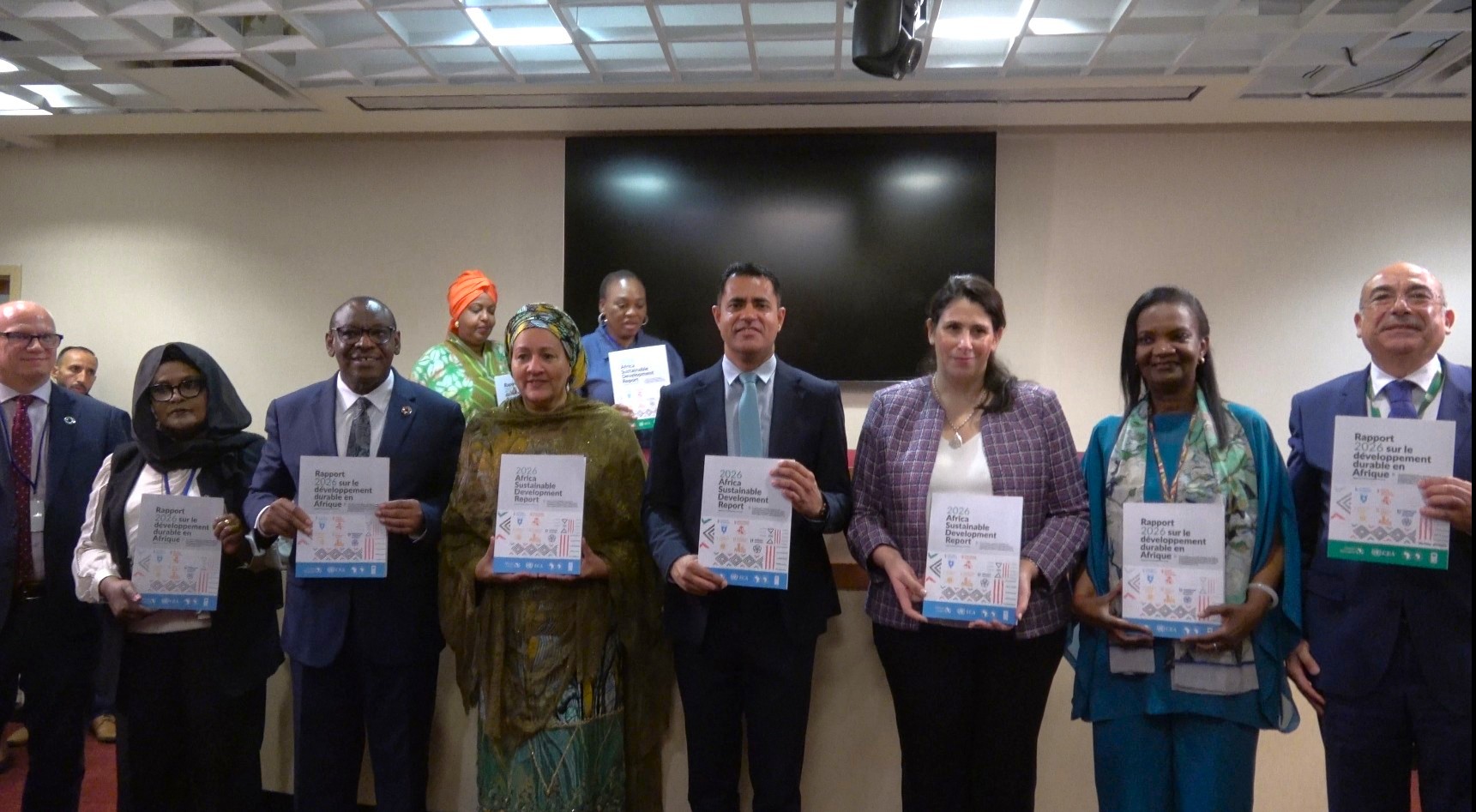
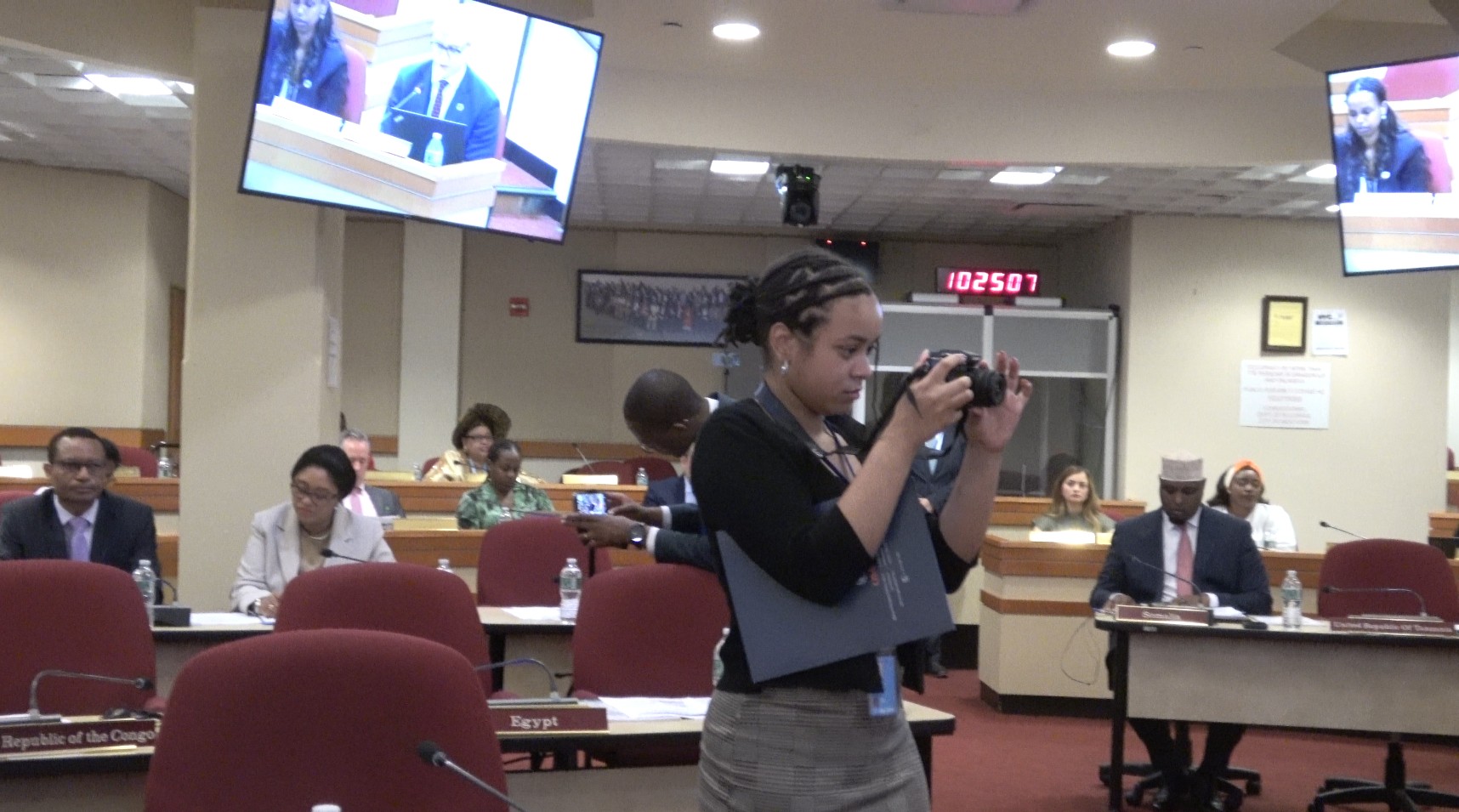
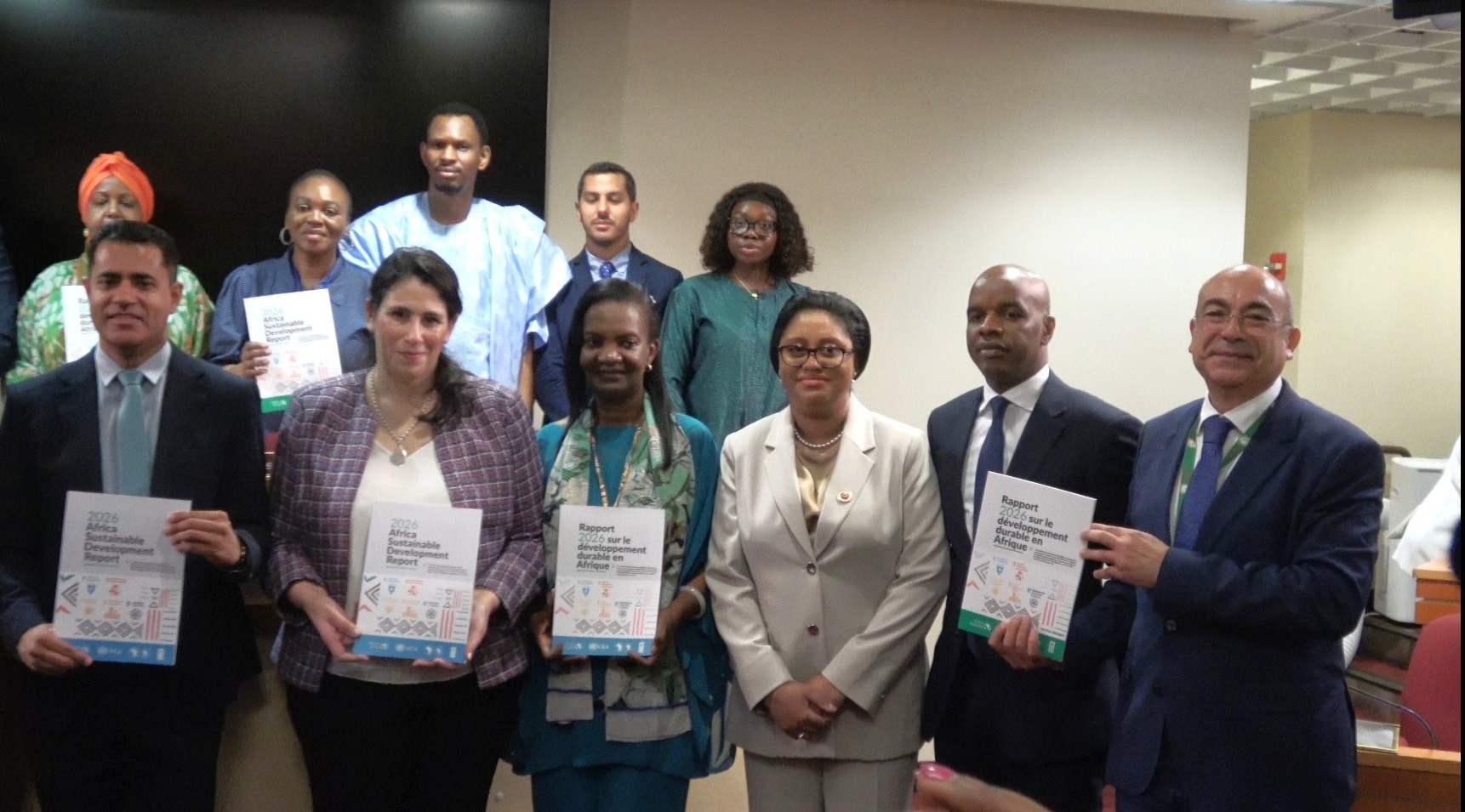
Celebrity Media on-the-scene report from the Permanent Observer Mission of the African Union to the United Nations: The 2026 High-level Political Forum on Sustainable Development “Africa Day” special event was held at United Nations Headquarters in New York. United Nations Deputy Secretary-General Amina Mohammed, senior officials of the African Union Commission, African ministers and representatives, together with the United Nations system, international financial institutions and development partners, took stock of Africa's progress in implementing the Sustainable Development Goals and discussed how, through transformative and coordinated action, to accelerate implementation of the United Nations 2030 Agenda for Sustainable Development and the African Union's Agenda 2063.
The event was jointly organized by the United Nations Office of the Special Adviser on Africa, the African Union Commission, the United Nations Economic Commission for Africa, the United Nations Development Programme and the African Development Bank, and was hosted by the Permanent Observer Mission of the African Union to the United Nations.
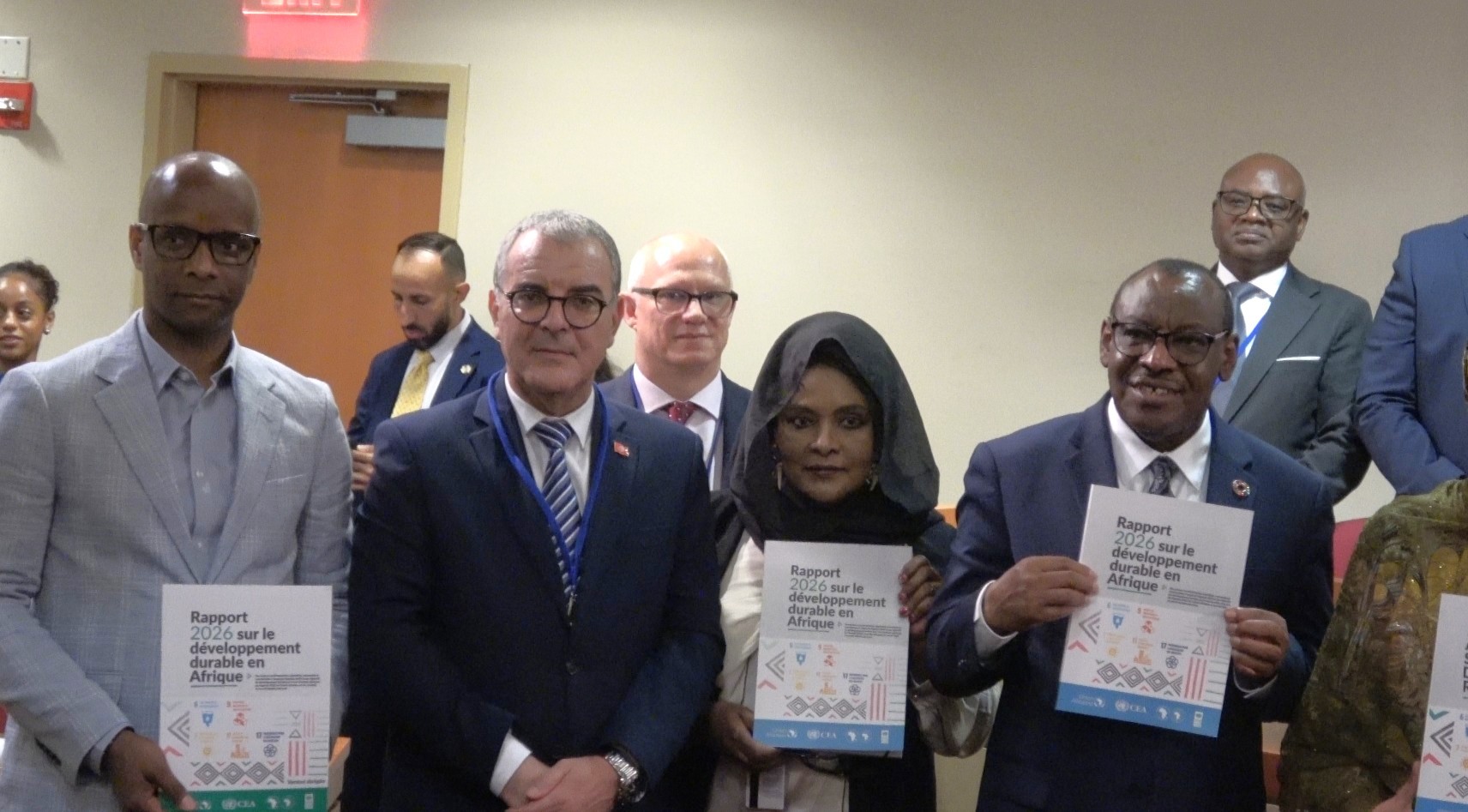
During the meeting, participants jointly launched the 2026 Africa Sustainable Development Report and presented the first biennial continental progress report on the Second Ten-Year Implementation Plan of the African Union's Agenda 2063. The two reports assess Africa's current development gains, remaining gaps and future directions for action in areas including water and sanitation, energy, industry and infrastructure, sustainable cities, regional cooperation and development partnerships.
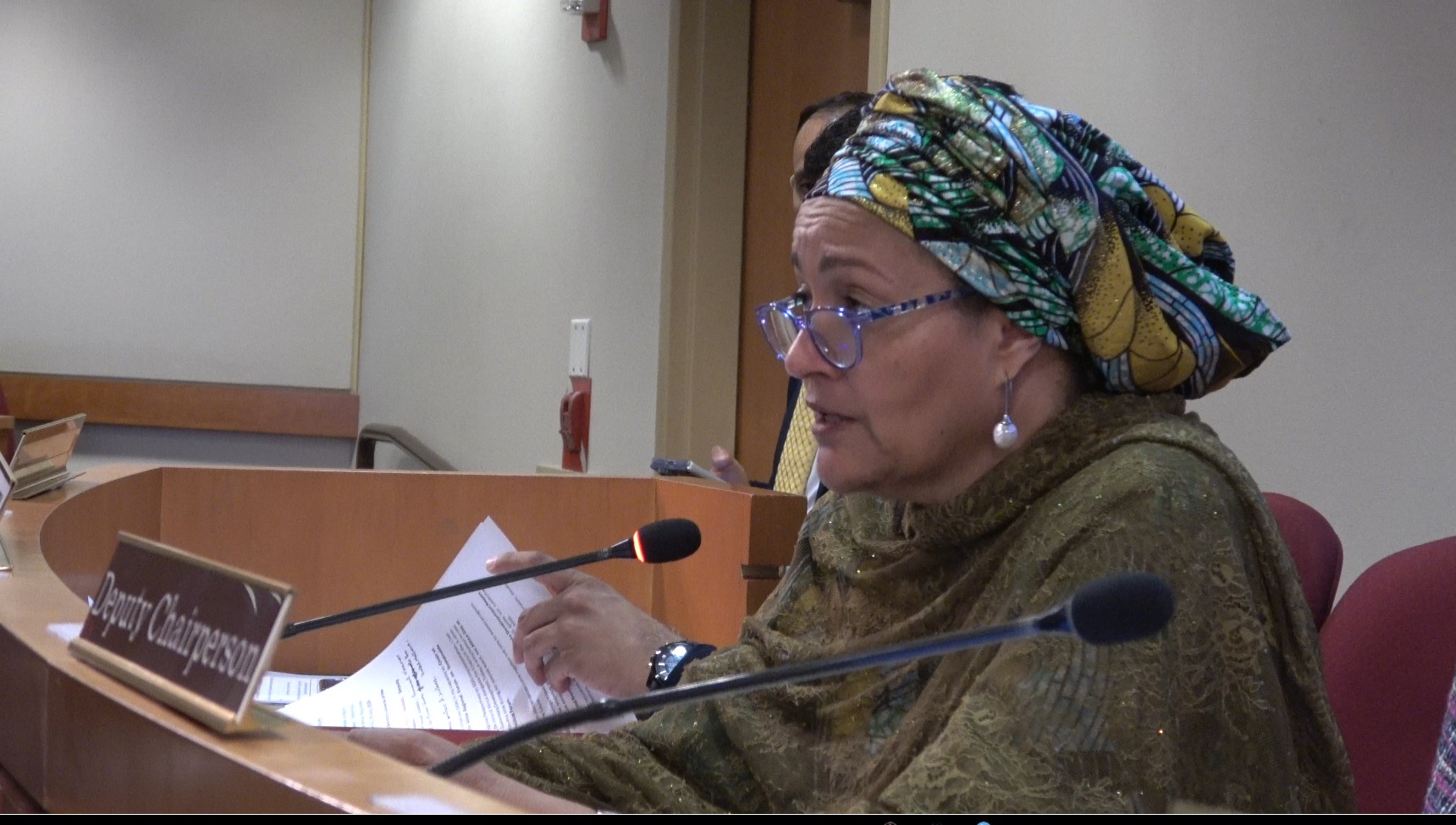
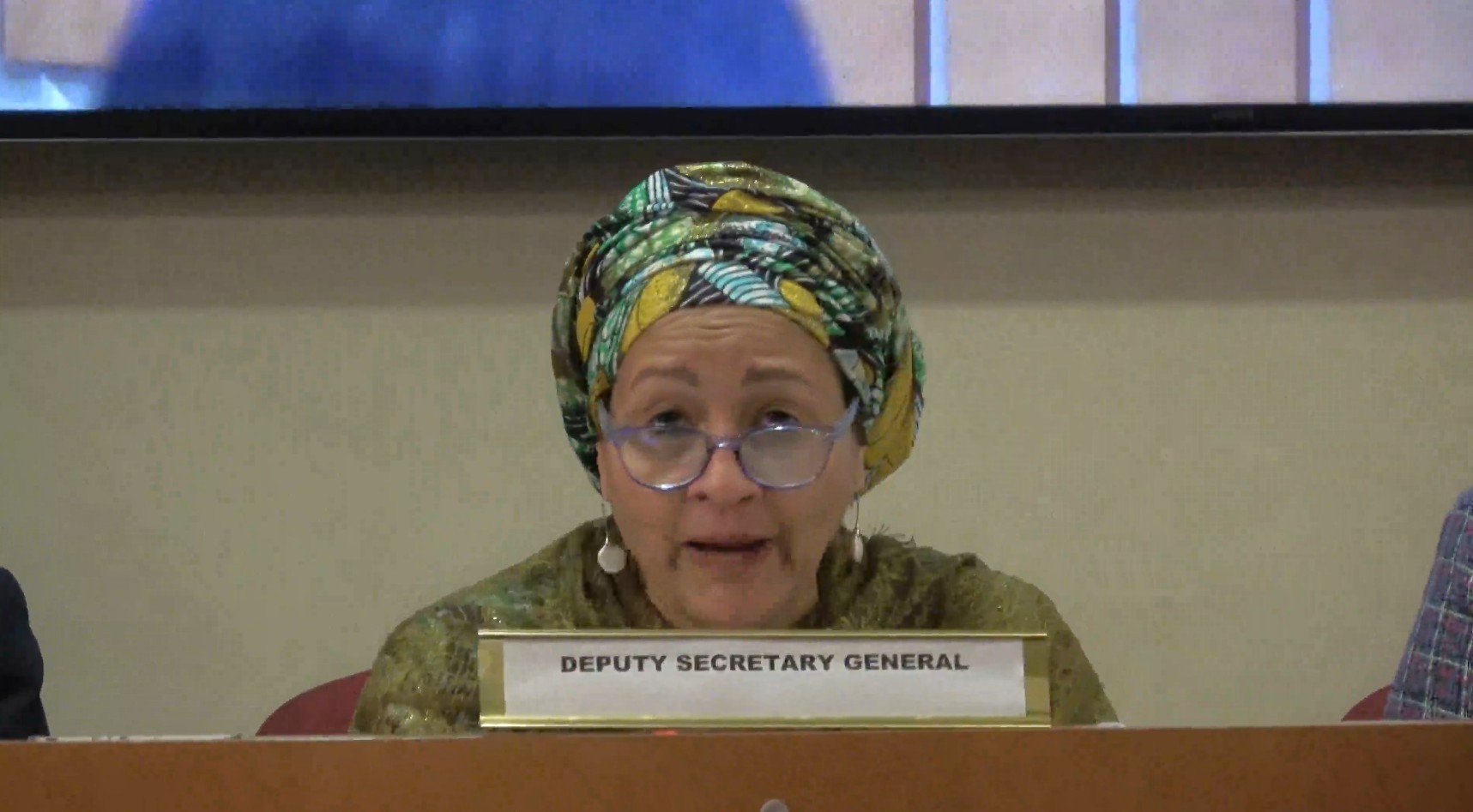
In her remarks, United Nations Deputy Secretary-General Amina Mohammed said that Africa Day is an important platform for the High-level Political Forum to hear Africa's own voice. This year, 19 African countries presented Voluntary National Reviews at the Forum, covering different subregions and stages of development in Africa, showing that African countries are examining their own development processes with a more open and responsible attitude.
She said that Voluntary National Reviews are not only a summing-up of development results, but also an expression of leadership and a spirit of accountability. All 54 countries in Africa have now submitted at least one Voluntary National Review, showing that Africa is not avoiding assessment, but believes that only by accurately measuring development results can problems be identified and policies improved.
Amina Mohammed outlined three core messages on sustainable development in Africa today.
First, Africa has made significant progress in expanding the coverage of basic services, but the quality and equity of those services still need to be improved. Related reports show that Africa has made progress on 12 of the 17 Sustainable Development Goals. Coverage of basic drinking water has risen from 56 percent in 2013 to 81 percent; since 2015, electricity coverage has risen from 46 percent to 53 percent; and mobile networks now cover nearly 93 percent of Africa's population, opening new space for education, entrepreneurship, digital services and youth employment.
However, coverage of a service is not the same as access to a safe, reliable and high-quality service. Only about 36 percent of Africa's population has access to safely managed drinking water, below the global average of about 70 percent; only about 30 percent of Africans can use safely managed sanitation facilities, and about 650 million people still lack basic sanitation.
At the same time, about 970 million Africans still cook with polluting fuels, and the resulting indoor air pollution causes about 400,000 deaths each year, most of them women and children. The urban-rural gap is equally stark: more than 80 percent of Africa's urban population has access to electricity, but the share in rural areas is only about 40 percent; nearly half of Africa's urban population lives in informal settlements.
Second, the main problem Africa now faces is not a lack of development frameworks, but insufficient implementation capacity, fiscal space and institutional capacity. The 2030 Agenda and the African Union's Agenda 2063 already set out a clear development vision, but between policy planning and people's actual lives there remain obstacles such as fragmented implementation, limited financing and inadequate institutional capacity.
Data show that African government revenue averages about 23 percent of gross domestic product, below the global average of about 32 percent; tax revenue accounts for about 16 percent of GDP. More than 20 African countries are already in debt distress or at high risk of debt distress, the cost of international borrowing has long been higher than their economic fundamentals can reasonably explain, and official development assistance to Africa continues to decline.
Global economic uncertainty, geopolitical tensions, climate change, the debt burden and shrinking fiscal space are further increasing the pressure on Africa's development. Disruptions to trade routes arising from the situation in the Middle East, and volatility in the prices of energy, food and fertilizers, are also having a direct spillover effect on African economies.
Amina Mohammed stressed that solving these problems requires domestic and international action at the same time. African countries should broaden the tax base, advance the digital management of government revenue, curb illicit financial flows and reduce the transaction costs of remittances. Africa receives more than 104 billion dollars in remittances each year, one of the most stable sources of external finance.
The international community, for its part, needs to advance reform of the international financial architecture, expand the scale of concessional financing, put in place debt-relief measures that can truly restore fiscal space, and deliver on climate-finance commitments. She pointed out that these measures are not optional extra support, but necessary conditions for Africa to implement the Sustainable Development Goals.
Third, Africa itself is a key force driving development. Expanding intra-African trade through the African Continental Free Trade Area, building cross-border energy and transport infrastructure, developing regional value chains, and enabling people, capital, technology and goods to move more smoothly within the continent will help build an Africa that is more competitive and more resilient to risk.
The African Union's accession to the Group of 20 has also given Africa new space to speak on issues such as debt, trade, climate finance and international financial rules. Amina Mohammed pointed out that whether this seat can be turned into real development results depends on whether African countries can form coordinated common priorities and continue to advance those positions in international forums.
She also stressed that sustainable development cannot be separated from peace. One of the core foundations for Africa to achieve its development goals is to advance the “Silencing the Guns in Africa” initiative and, through good governance, sound democratic institutions and inclusive political arrangements, to enable peace to be sustained over the long term.
Amina Mohammed said that United Nations Resident Coordinators, country teams and the United Nations system will continue to support the development priorities of African countries with professional expertise and policy resources. She noted that although only the final years remain before the 2030 deadline, just as in a football match, even in the closing stage it is still possible to score a crucial goal.
She called for Africa not merely to appear as a chapter in a global development narrative written by others, but to take the initiative in shaping and telling its own development story, and to ensure that women and young people can take part in setting Africa's future priorities and in major decisions.
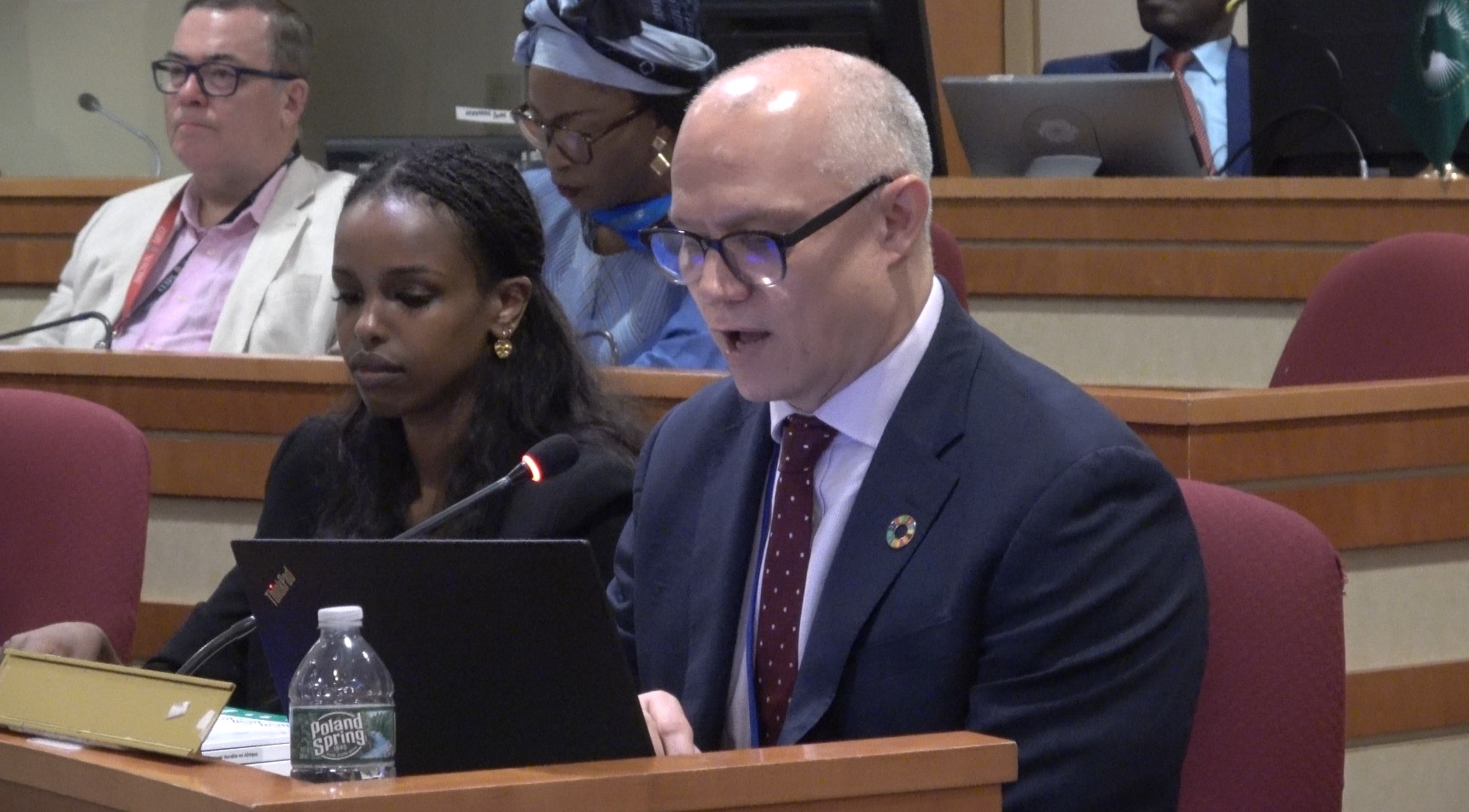
A representative of the African Union Commission said in a statement that the 2030 Agenda and Agenda 2063 are not two separate development paths, but a shared roadmap that complements and reinforces each other. The former provides a global direction for development; the latter embodies Africa's own long-term vision of inclusive growth, structural transformation and shared prosperity.
The first biennial continental progress report on the Second Ten-Year Implementation Plan of the African Union's Agenda 2063 shows that, in the period 2024–2025, the overall rate of completion of Africa's seven development aspirations was about 53 percent. African countries have made progress in integrating Agenda 2063 into national development plans, advancing digital transformation and strengthening institutions, but greater efforts are still needed in structural economic transformation, productive employment, infrastructure connectivity and sustainable financing.
The report notes that the gap between policy commitments and actual results remains the main challenge facing Africa. Africa must strengthen domestic resource mobilization, expand climate and development finance, accelerate digital transformation, invest in sustainable infrastructure, strengthen national data capacity, and protect development gains already achieved from the impact of conflict and climate change.
The meeting also stressed the need to accelerate implementation of African Union flagship projects, including the African Continental Free Trade Area, the Programme for Infrastructure Development in Africa, the Single African Air Transport Market, the Integrated High-Speed Railway Network, the digital transformation strategy and the African Medicines Agency. These plans are not merely standalone infrastructure or institutional projects; they are important catalysts for Africa's economic transformation, regional integration and shared prosperity.
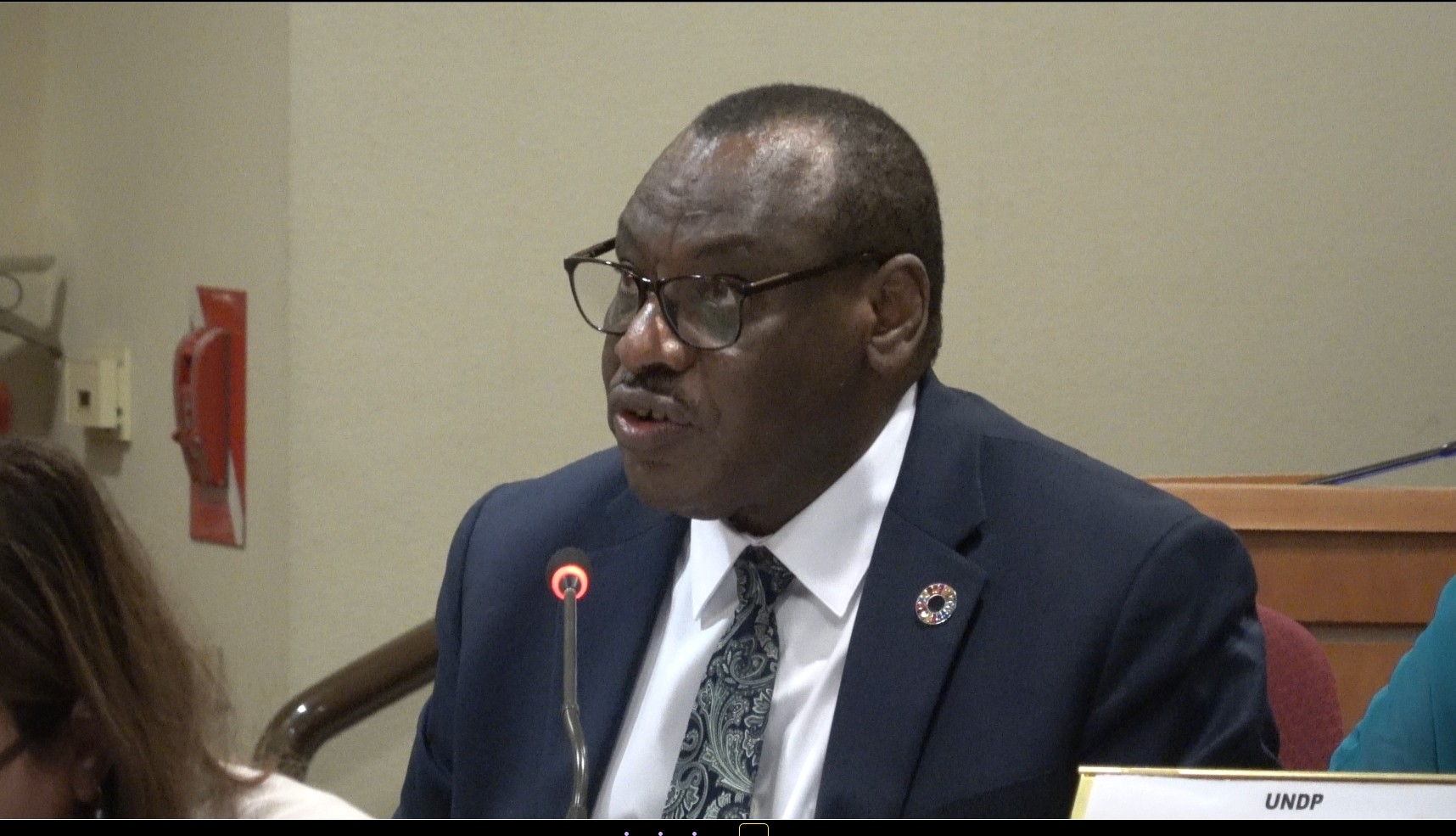
A ministerial representative serving as chair of the 12th Africa Regional Forum on Sustainable Development pointed out that Africa is the only region in the world simultaneously implementing two complementary sustainable development agendas. Africa has 54 countries and more than 1.5 billion people, about 19 percent of the world's population. Although countries differ in geography, income levels, cultural traditions and development foundations, they share the vision of “one continent, one people, one future.”
He said that traditional models of development can no longer meet today's challenges, and that Africa must move from commitment to implementation, from declaration to delivery, and from fragmented interventions to coordinated action of a transformative nature.
On future development, participants set out five priority directions: accelerating the implementation of transformative policies; expanding financing for sustainable development; strengthening water resources, energy, infrastructure, innovation and the building of sustainable cities; making full use of science, technology, innovation and data; and building stronger partnerships among governments, international organizations, financial institutions, the private sector and civil society.
The ministerial representative pointed out that Africa has the world's youngest population, abundant natural resources, and a growing capacity for innovation, entrepreneurship and human resources. Africa does not lack a vision, nor does it lack a roadmap; what it most needs now is faster implementation, stronger partnerships, and financing support commensurate with its development ambitions.
He called on African governments, the United Nations system, international financial institutions, development partners, the private sector and civil society to renew their commitments and strengthen cooperation in this decisive phase on the road to 2030.
“If we act with a sense of urgency, in a spirit of solidarity and with firm determination, the 2030 Agenda and Agenda 2063 will not remain visions only on paper, but will become a reality that the 1.5 billion African people we serve can feel for themselves, and will make an important contribution to building a more prosperous, more resilient and more sustainable world.”
This Africa Day event sent a clear message: in the face of global economic uncertainty, debt pressure, climate risk and geopolitical conflict, Africa has not stepped back, but is adapting, innovating and moving forward. As the 2030 deadline draws nearer, the focus of Africa's development has already shifted from setting a vision to putting action into practice, and from policy commitments to concrete results that can be measured and that reach the people.