Farewell to Tang Shizeng at Babaoshan in Beijing: From the Passing of a War Correspondent, a Look at the Journalist's Duty and the Cost of War
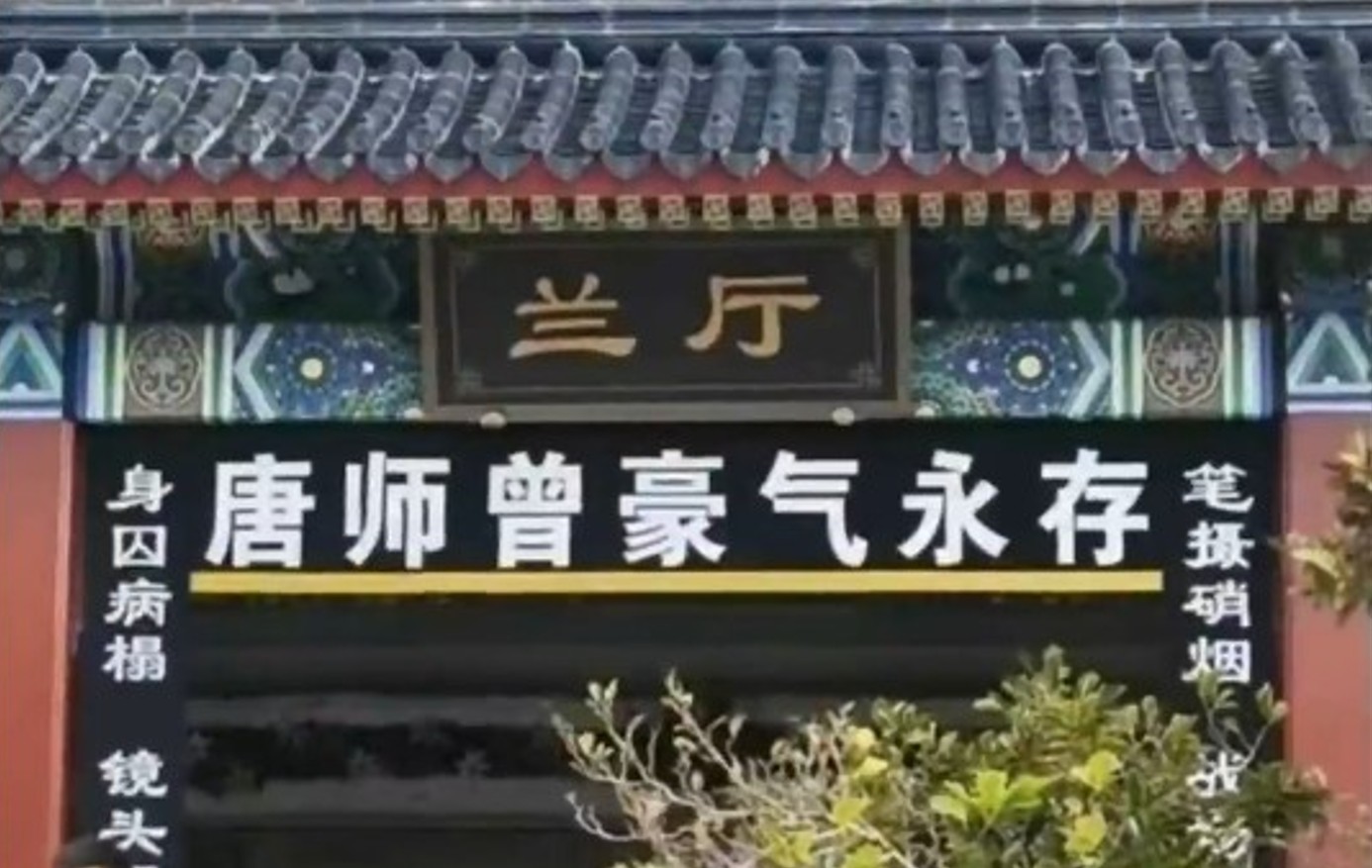
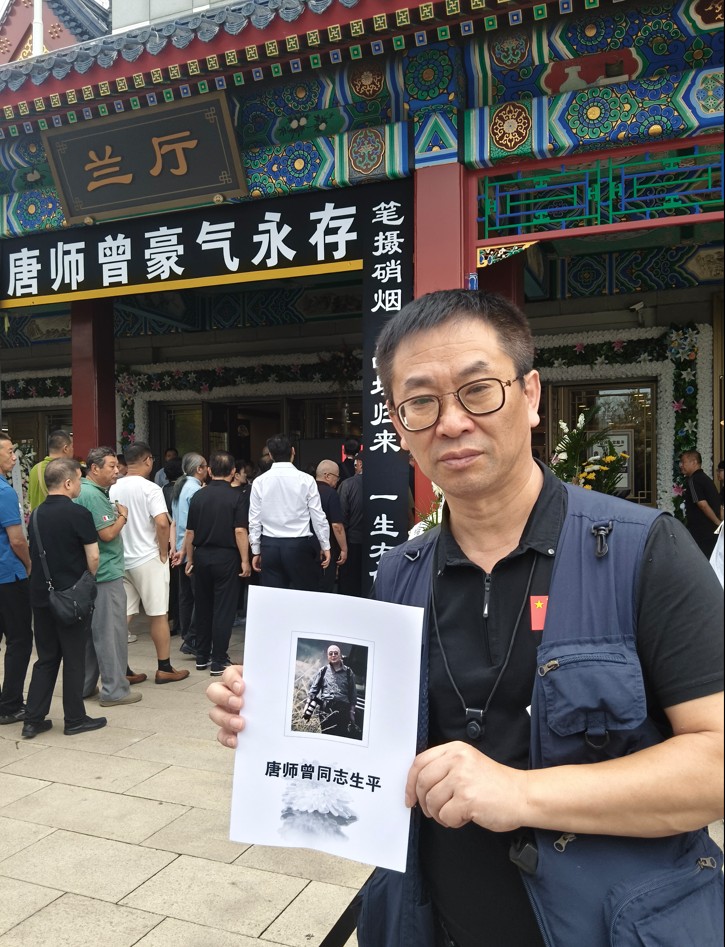
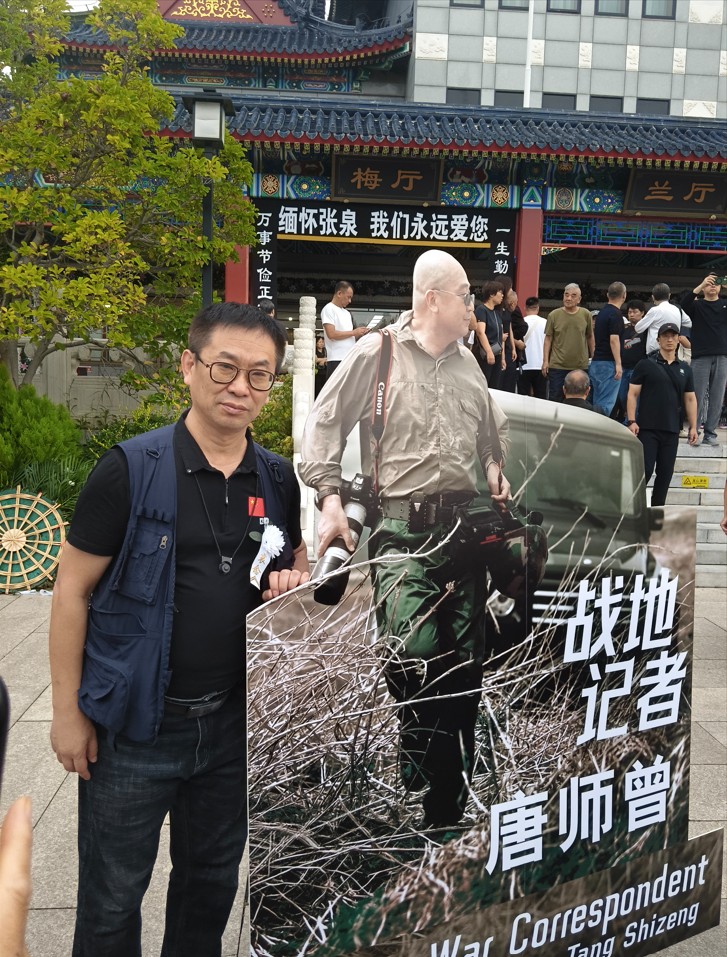
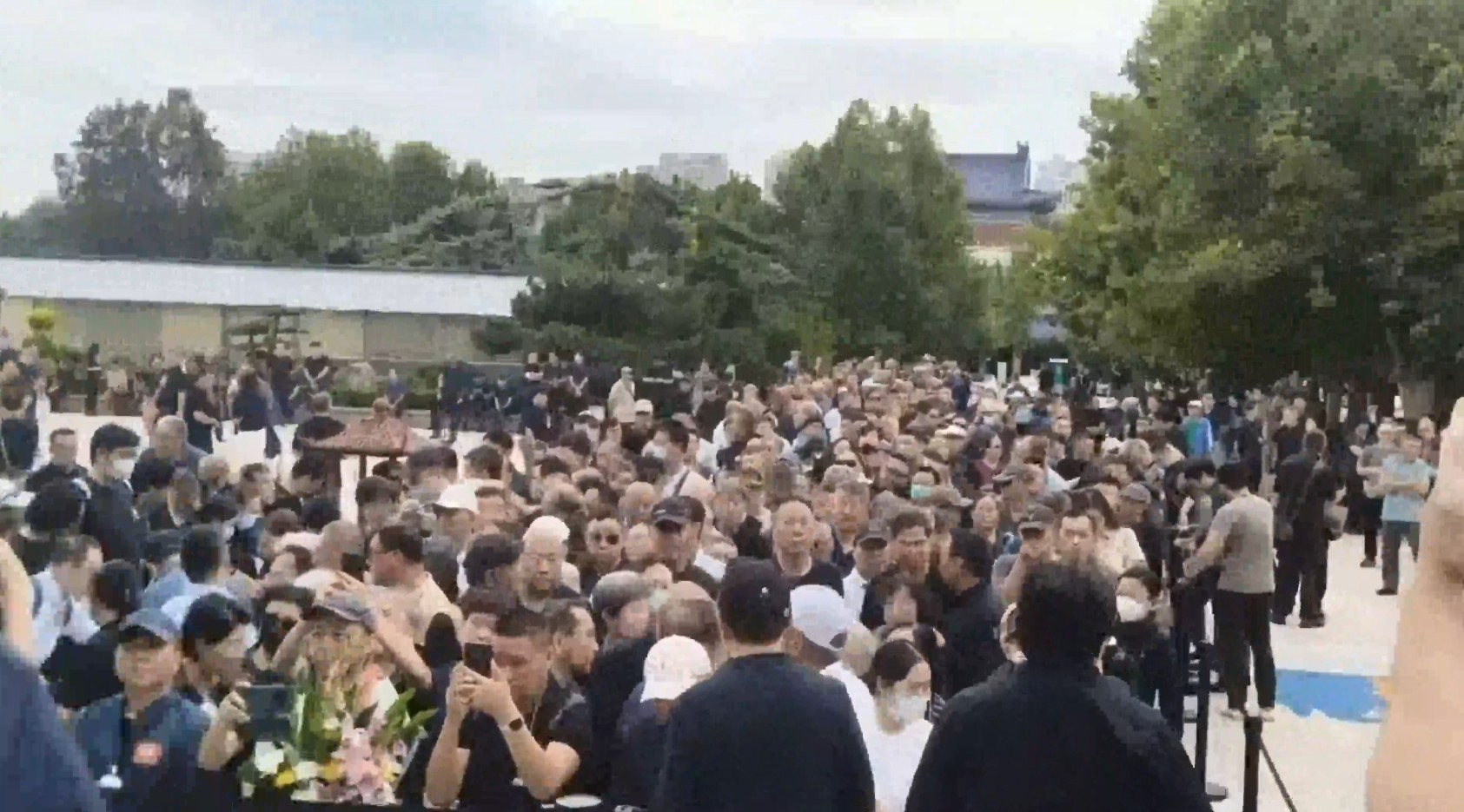
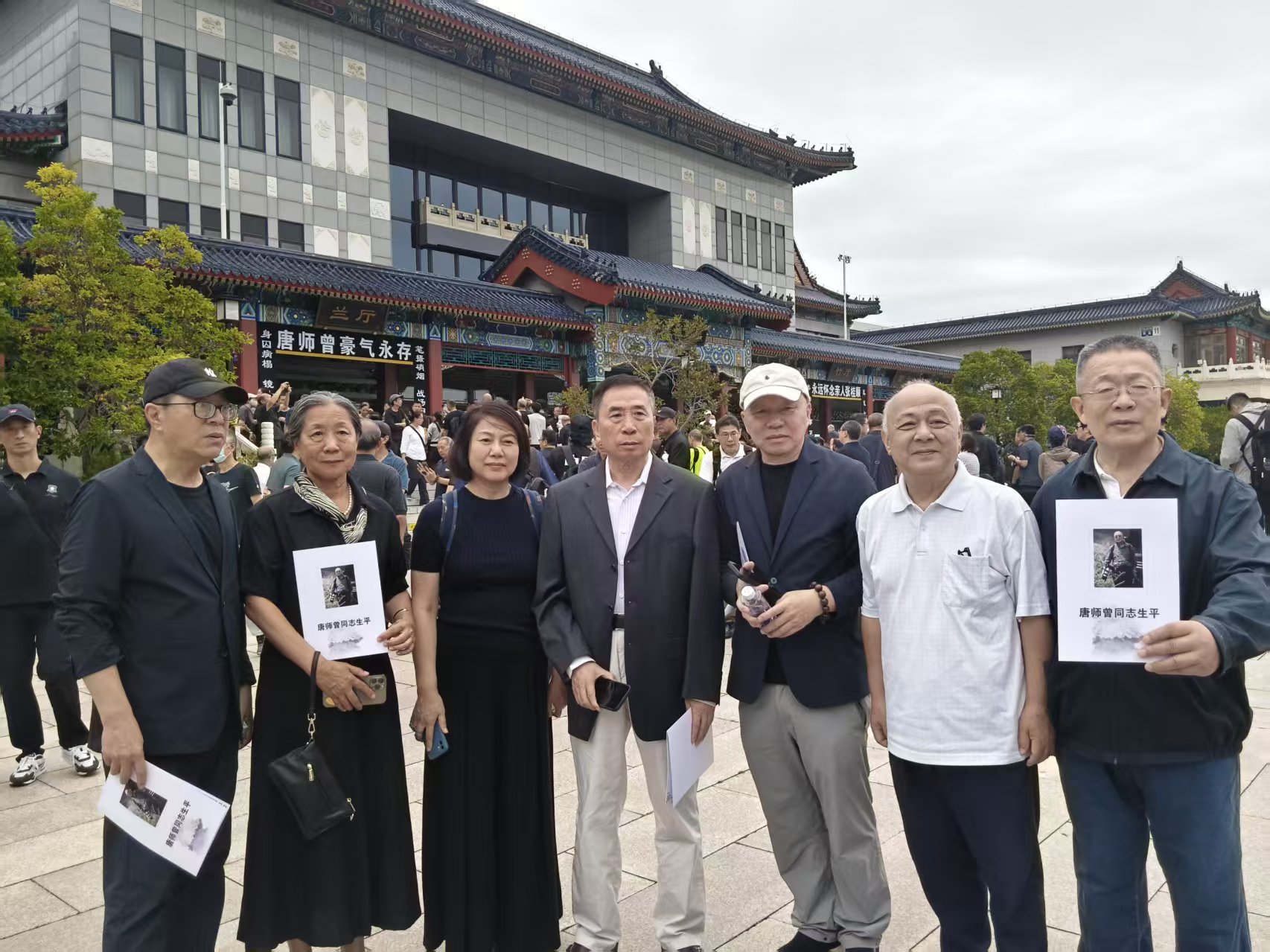
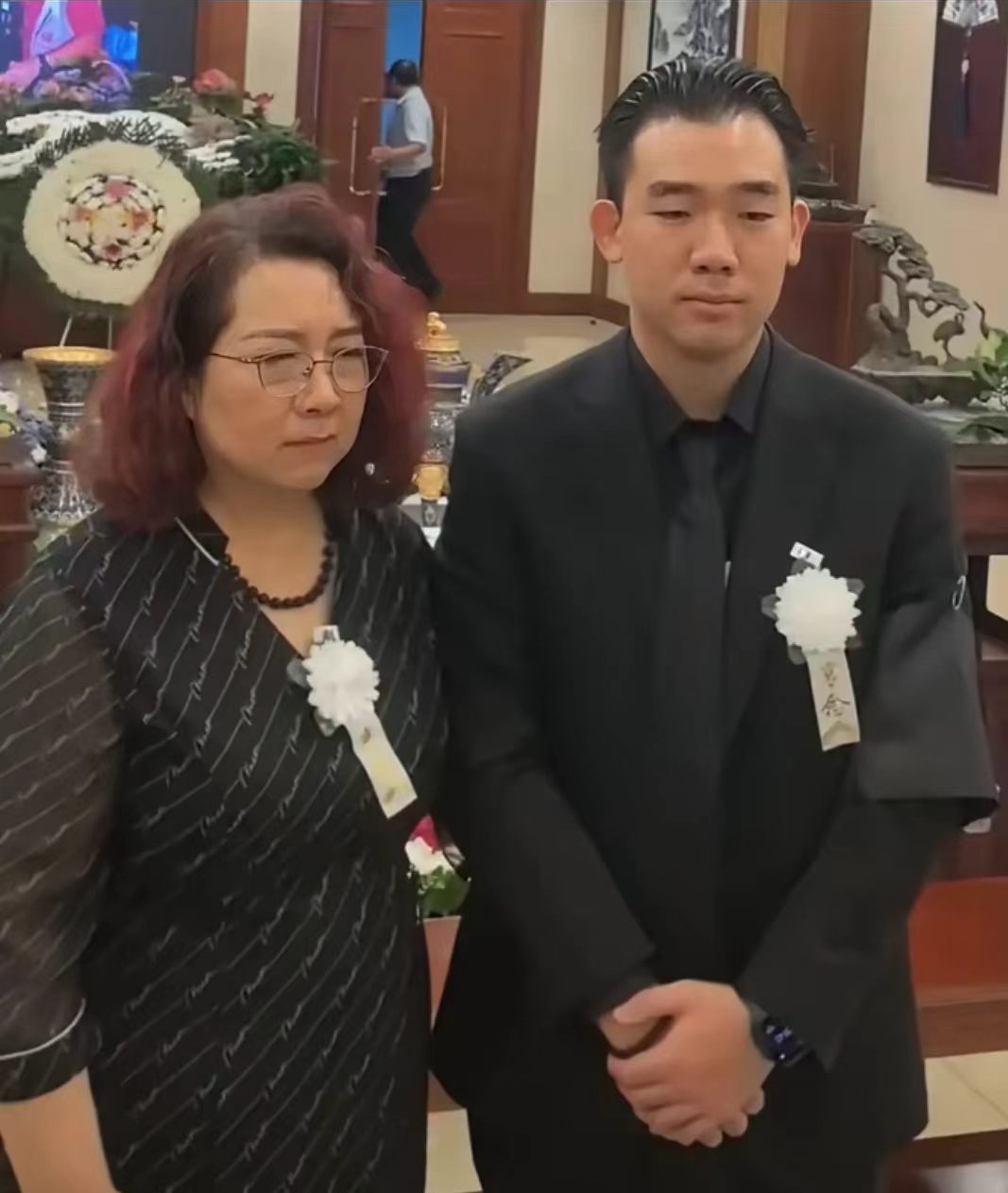
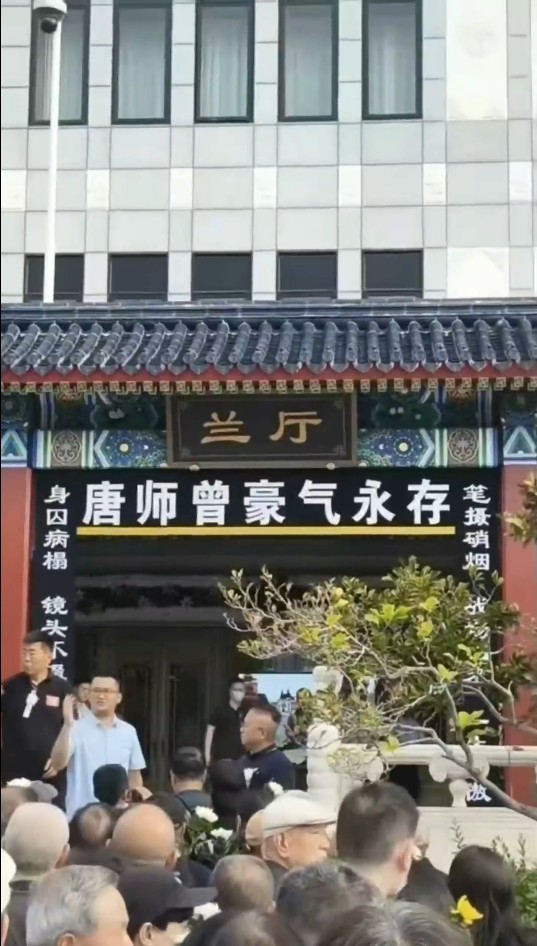
Celebrity Media commentator: On August 27, 2026, the farewell ceremony for Mr. Tang Shizeng, a former Xinhua News Agency journalist and a well-known Chinese war correspondent, was held at the Orchid Hall of Babaoshan in Beijing. Relatives and friends, fellow journalists, university classmates and readers who had traveled from many places came to the scene to bid farewell to this Chinese journalist who had long gone deep into the scenes of wars and major international events, and who recorded his times with his camera and his writing.
Farewell to Tang Shizeng: from the passing of a war correspondent, a look at the journalist's duty and the cost of war
Under the eaves of the Orchid Hall at Babaoshan, the words “Tang Shizeng's bold spirit lives on” stood out with special force. For many people, this was a farewell to someone they had known; for China's journalism community, it was more like a fresh, close look at the professional value of a journalist.
As the world remains in the midst of war, conflict and geopolitical turbulence, and as artificial intelligence and digital technology are changing the way news is communicated, people bidding farewell to Tang Shizeng here also came face to face again with a question that has not gone out of date: when history is happening, where should the journalist stand?
What Babaoshan bid farewell to was not only a journalist
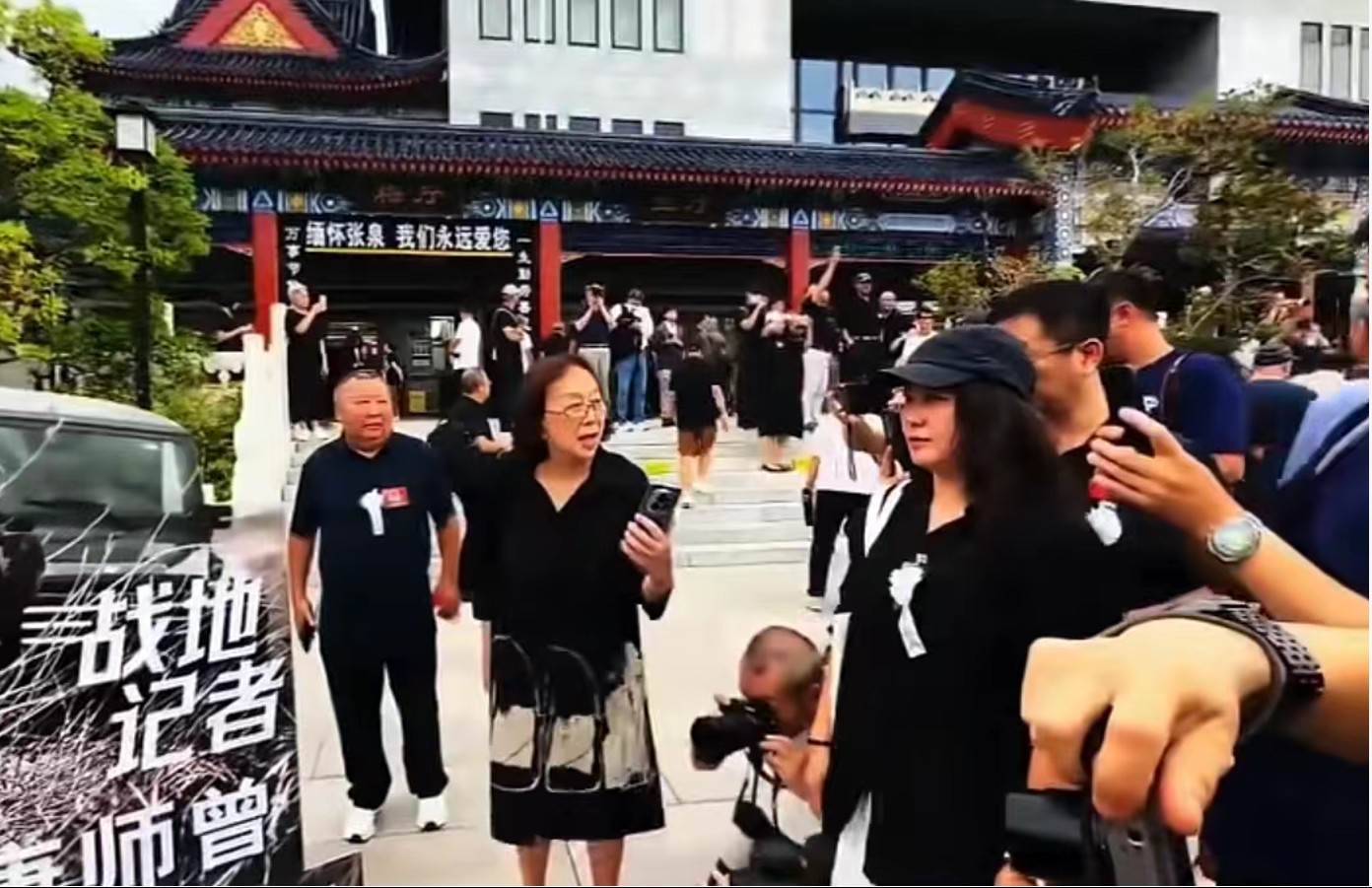
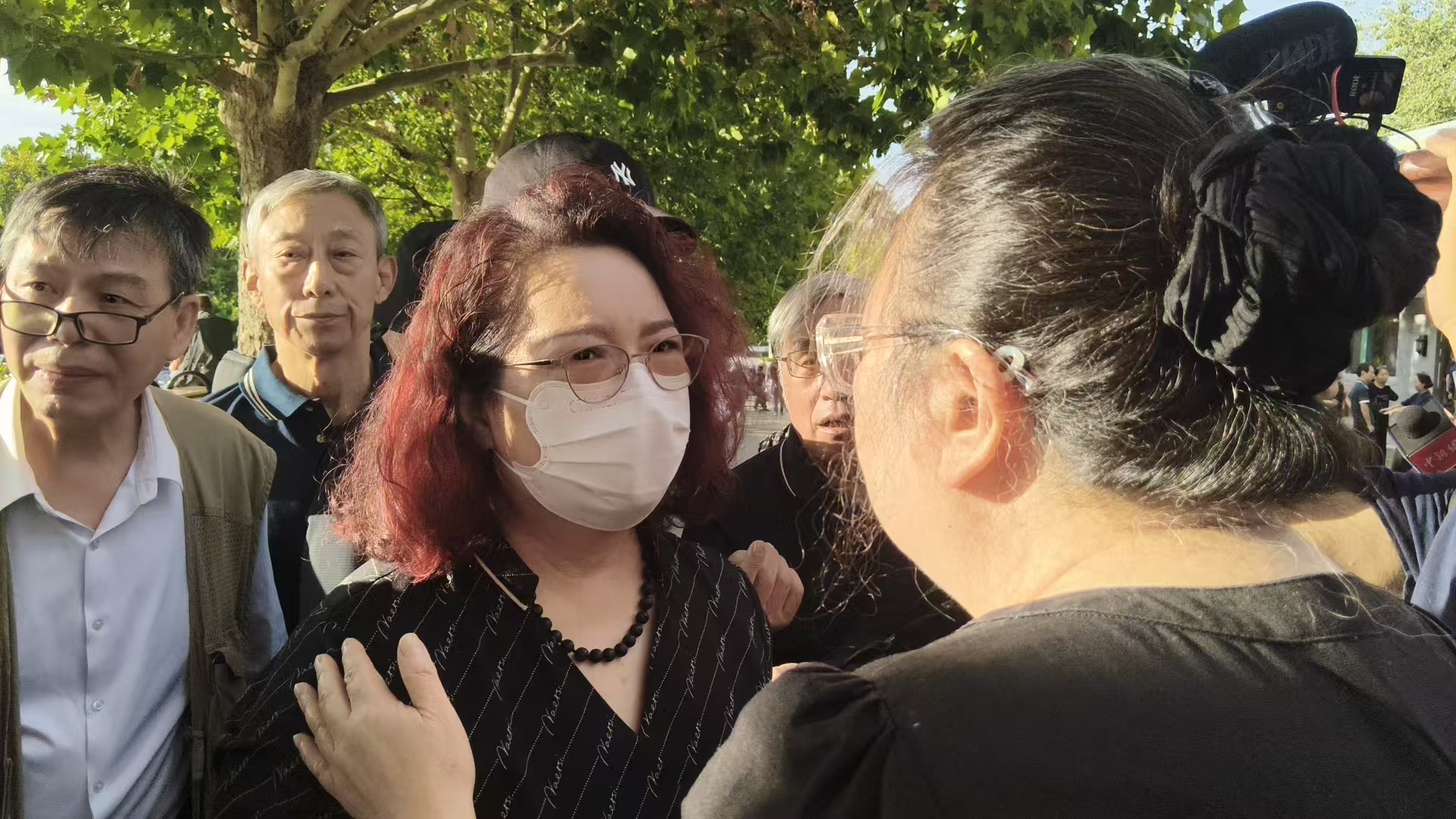
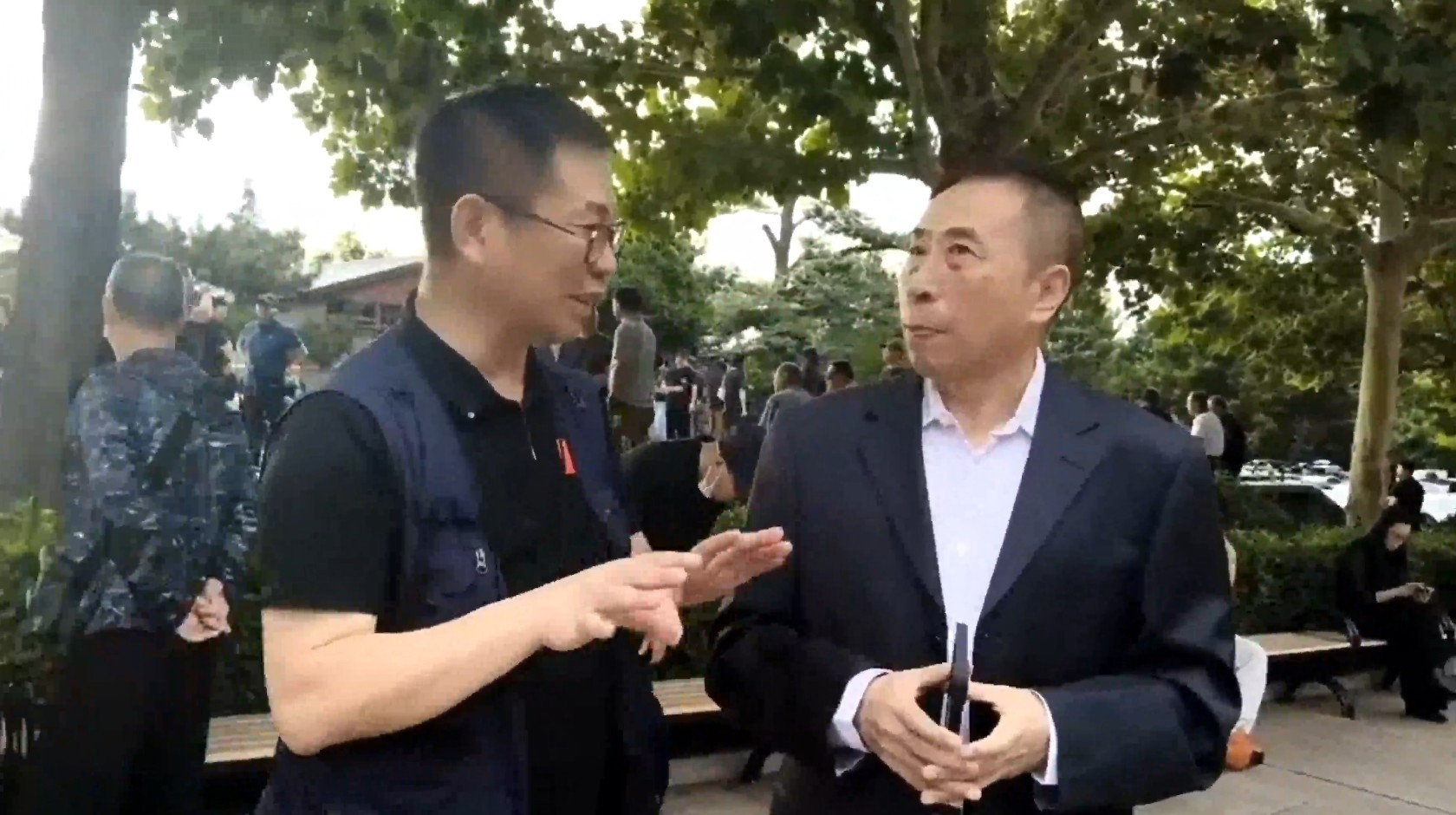
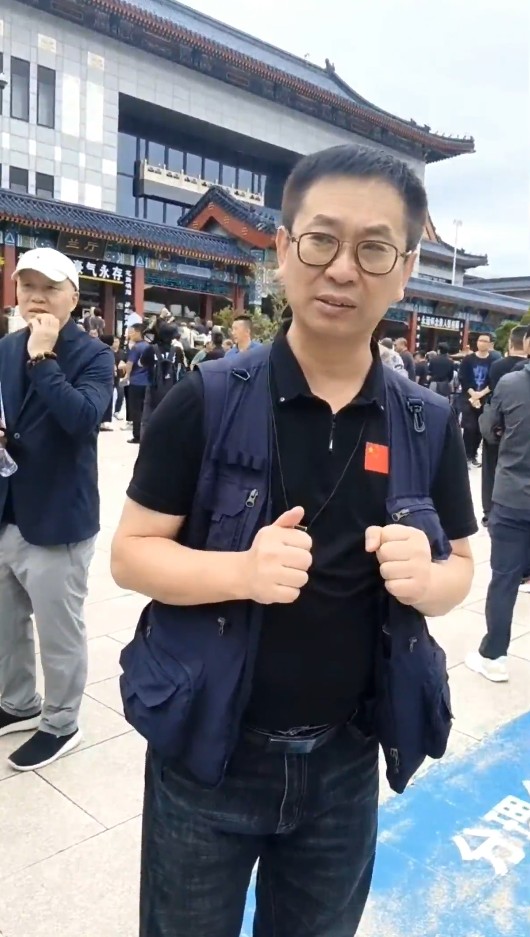
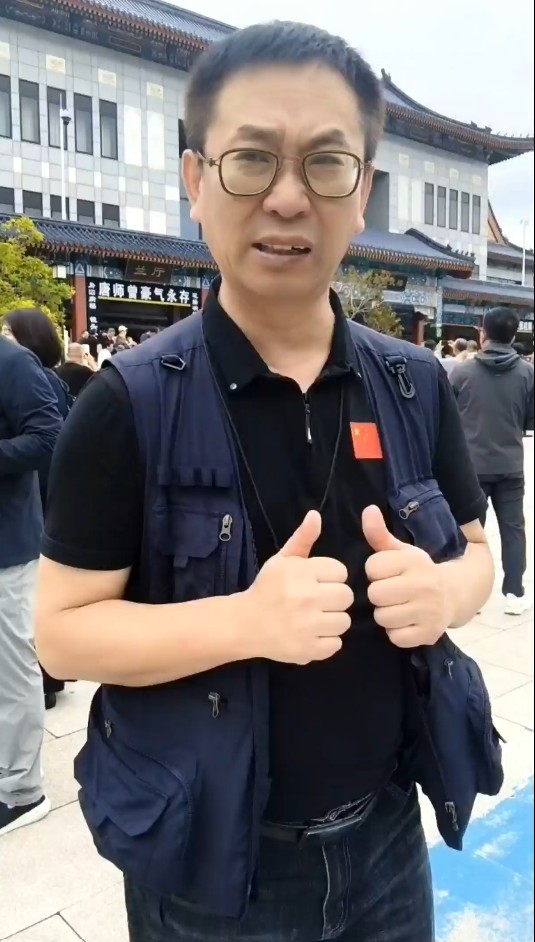
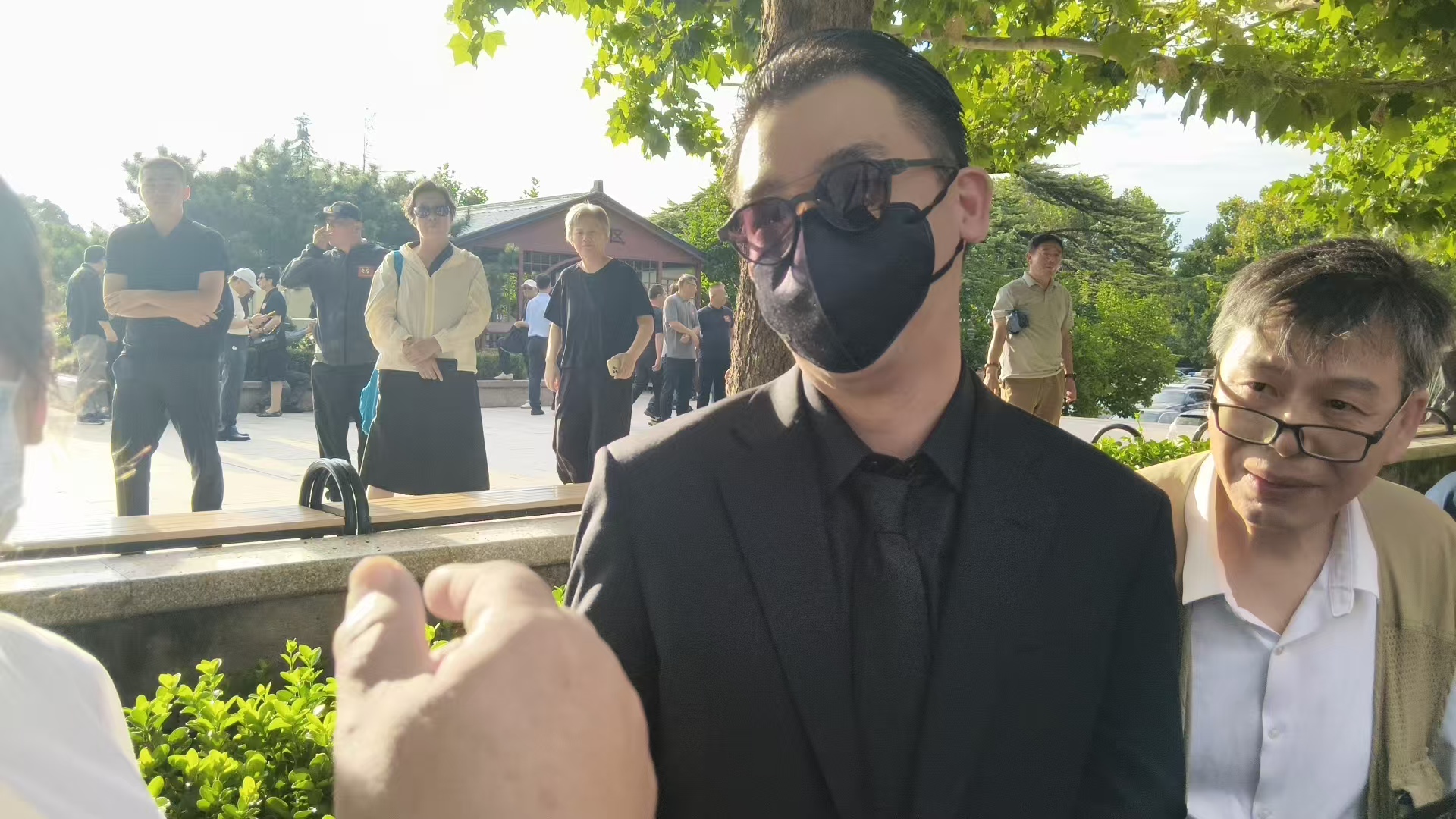
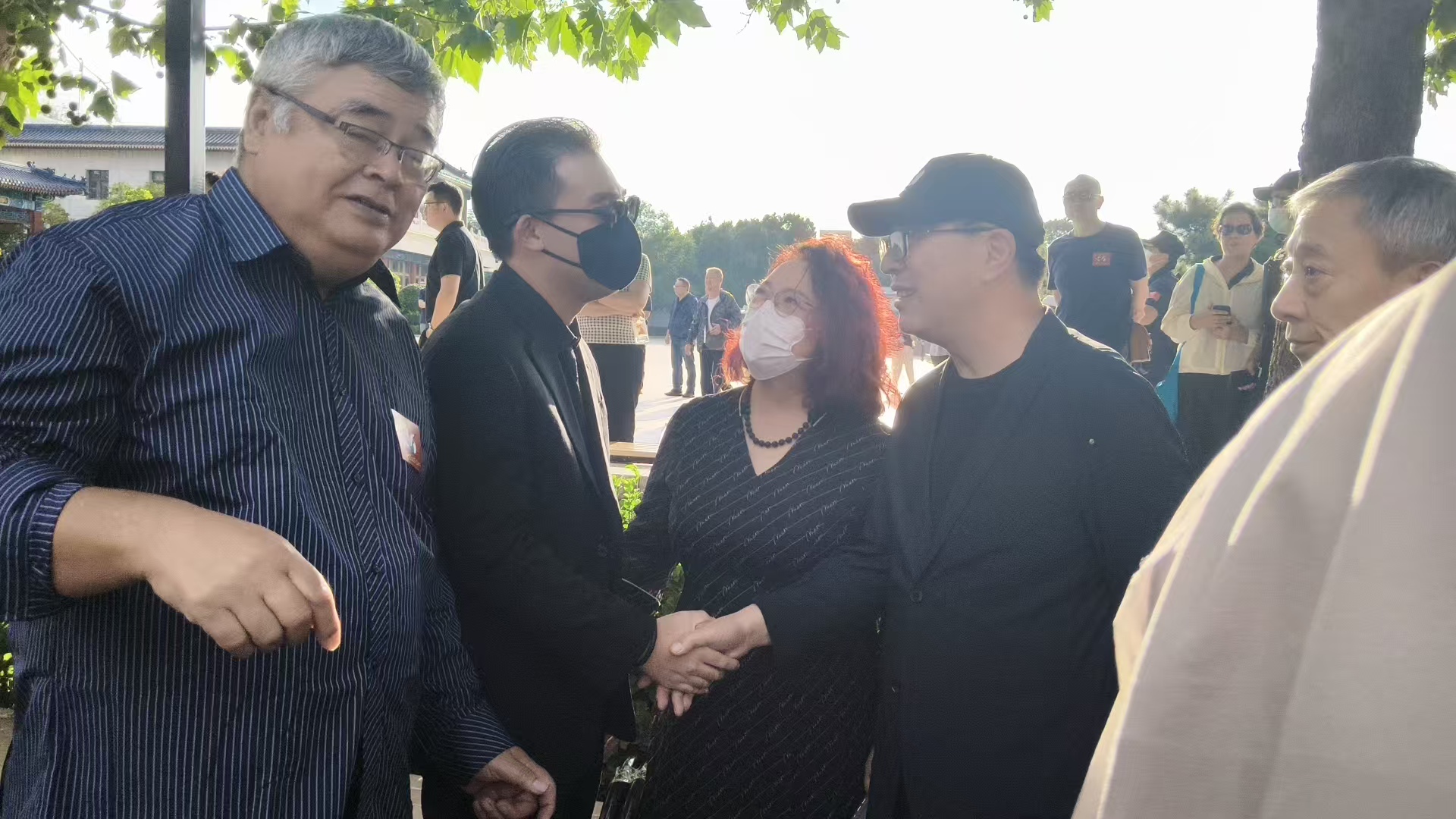
At the farewell ceremony that day, many people whose work, studies or lives had intersected with Tang Shizeng's came to the scene. Wang Qun, vice president of Gonggong News Agency, spoke at the site with Mu Xiaofeng, son of Mu Qing, the former president of Xinhua News Agency. The two exchanged views on Tang Shizeng's journalistic career, his journalistic spirit and his war reporting.
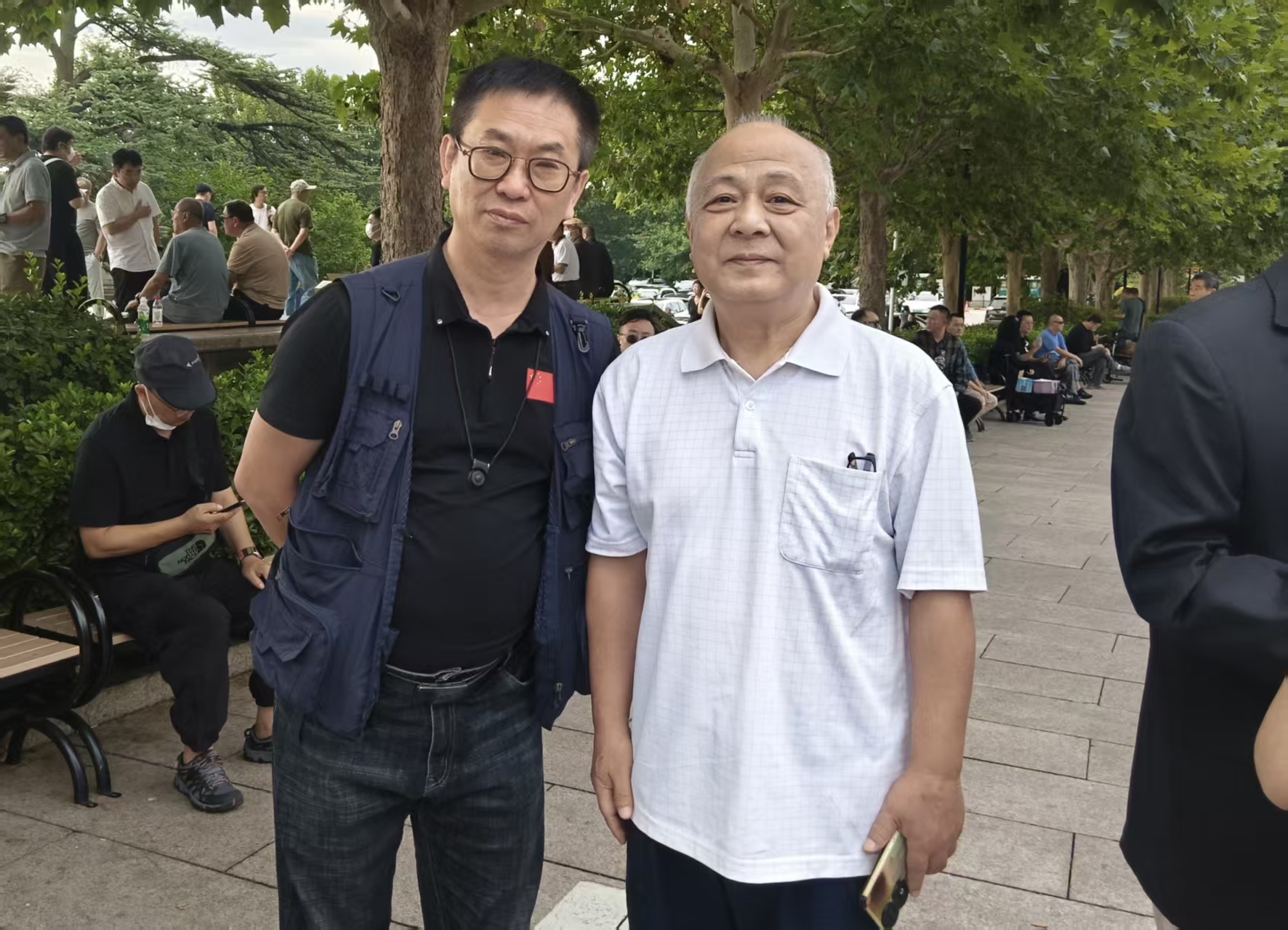
Wang Qun also talked with Wang Qingsong, a fellow member of the class of 1979 in the Department of International Politics at Peking University, Tang Shizeng's roommate in his university years and the class Youth League secretary. From memories of their university days to Tang Shizeng's later career on the front line of international news reporting, they recalled together this highly distinctive Chinese journalist. “The Tang Shizeng spirit” became a phrase that kept coming up in the conversations at the scene.
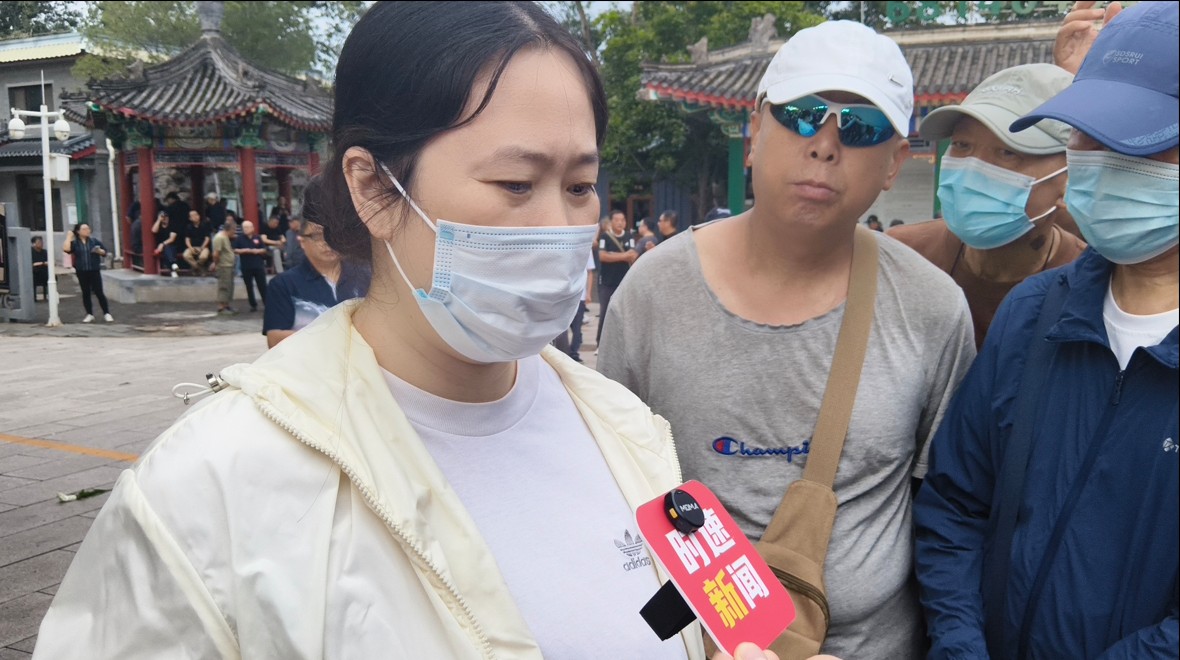
A woman at the scene also told the media that she had already written a 45-episode television drama script about Tang Shizeng's career, and hoped that it could one day actually be filmed, so that more young people would know that China once had such a journalist who for a long time walked onto the battlefield and recorded war.
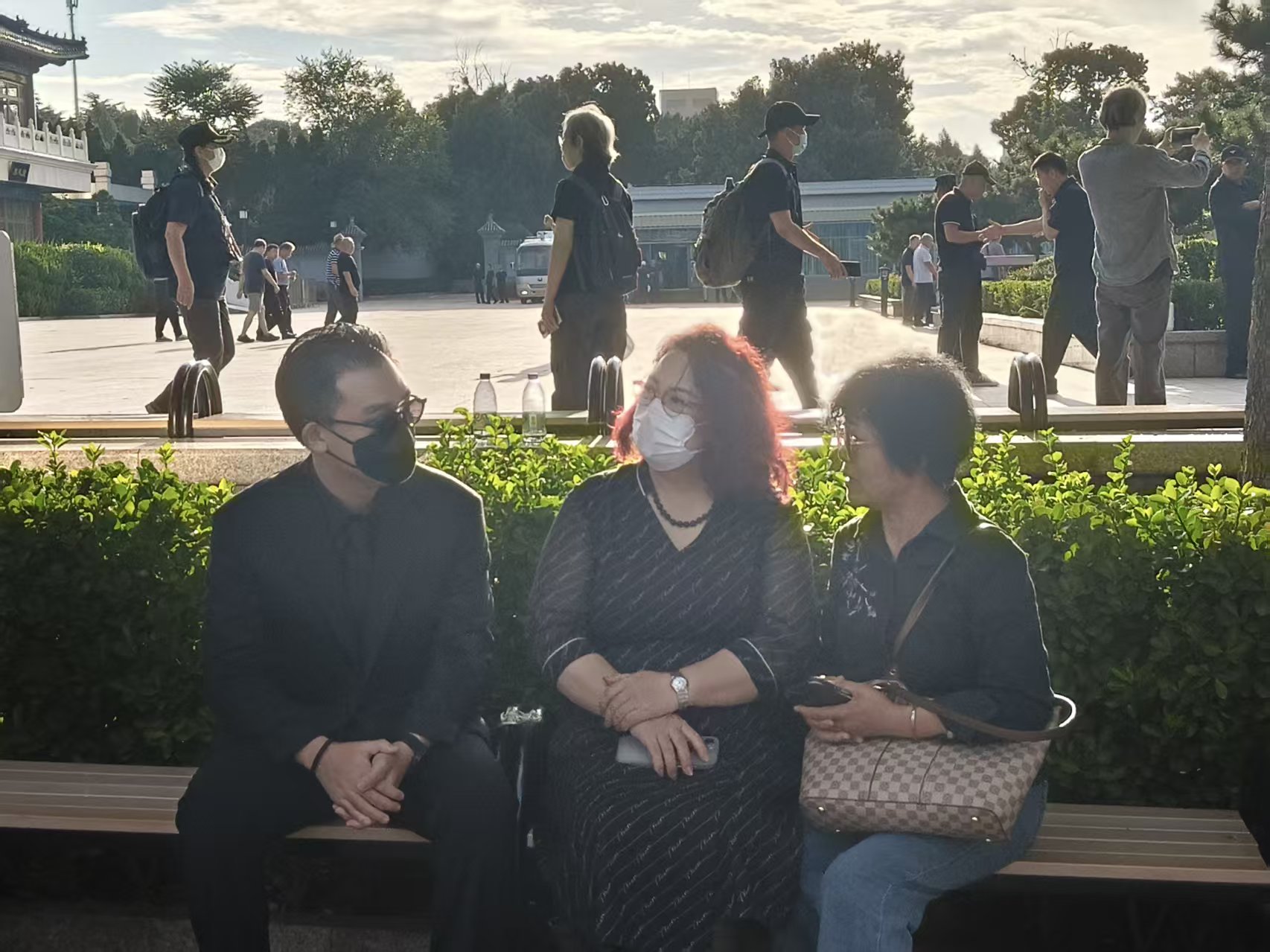
Another young woman, wearing a face mask, was choked with emotion several times as she spoke to the media. She said that Tang Shizeng's spirit as a war correspondent had influenced and inspired generation after generation of young people.
These memories from different people in fact point to the same question: why was Tang Shizeng able to leave such a distinctive mark on the history of Chinese journalism? The answer is not simply “courage.” More important is that, time after time, he chose to go to the scene.
Tang Shizeng's most important professional label was “getting to the scene”
Tang Shizeng graduated from the Department of International Politics at Peking University and later joined Xinhua News Agency as a photographer. What truly made him widely known was a series of reports from the Middle East around the time of the Gulf War.
In an age when international communications were far less developed than they are today, and when war news depended heavily on journalists going to the scene in person, traveling to a war zone to report was itself a tremendous professional and personal test. Tang Shizeng went deep into Iraq and also reported from Israel, and for a long time followed the politics and the wars of the Middle East. Later he also interviewed international political figures including Yasser Arafat, Yitzhak Rabin, Shimon Peres, Muammar Gaddafi, Hosni Mubarak and Nelson Mandela.
These experiences gradually shaped in him a very distinctive view of journalism: a journalist cannot merely judge events from a distance; what truly matters is getting close to the place where the events are happening. In many cases, the value of a news story does not depend on how beautifully a journalist writes, but on whether he or she truly reached the scene and saw with his or her own eyes what others had not seen.
Tang Shizeng himself was not especially fond of the simple label “war correspondent,” but his professional life illustrates a most basic principle of journalism: without the scene, much of what is called “news” can in the end only be a secondhand account.
What war most needs to have recorded is not heroes, but the truth
War correspondents are often given a legendary aura. Gunfire, ruins, flak jackets, cameras — these visual elements make it easy to understand reporting from a war zone as a kind of adventure. But truly mature war reporting has never been about creating heroes, and the journalist is not a participant in the war.
The most important responsibility of a war correspondent is to record what war truly brings to people: how a city is destroyed, how ordinary people flee their homes, how families are torn apart by war, and what soldiers, civilians, the elderly and children actually face.
War can be explained by politicians, by the military, and by propaganda systems of different standpoints. But news reporting that truly has historical value must, as far as possible, preserve the most original scene. That is why images of war are not only news; decades later, they become history.
The truly important value of the large body of photographs, images and writing that Tang Shizeng left behind is not merely that they prove how many dangerous places he once went to. More important is that they preserve the scene of an era.
A news photograph is first of all a piece of historical evidence
Tang Shizeng attached particular importance to the documentary function of photography. The most basic value of a news photograph is not that it is beautiful, but that it is true. A photograph must be able to tell those who come later: this person once stood here; this city was once reduced to this; this war truly happened.
In this sense, news photography in fact plays the role of preserving human memory. For many major historical events, after written explanations have changed and the political environment has changed, the original photographs and original images that remain become an important basis on which later generations can understand history anew.
That is also why the value of a war correspondent cannot be measured by the speed of news dissemination alone. A news story may be replaced by a new one a day later, but a truly important photograph may endure for decades, even a century. The moment the journalist presses the shutter, what is recorded is news; but after time has passed, it may become history.
Today's world has an even greater need for genuine war correspondents
The world in 2026, the year Tang Shizeng left it, was not at peace. In Europe, the Middle East, Africa and other parts of the world, wars, military conflicts and geopolitical confrontation were still taking place. War has not diminished because of the development of the internet; at the same time, the way war is communicated has changed enormously.
In the past, images of war came mainly from news agencies, television stations and professional journalists. Today, when a war breaks out, the military, governments, ordinary people, self-media, drones, satellite imagery, social-media accounts and even AI-generated content enter the global communication system at almost the same time.
There is more and more information, but more information does not mean that the truth is easier to obtain. On the contrary, how to judge whether a photograph is genuine or fake, where a video comes from, whether a piece of footage has been edited, and whether a report comes from a journalist's on-the-scene verification or from an account circulating online, is becoming an ever more important question in today's war reporting.
For that reason, the on-the-scene value of the professional journalist has not diminished; it has become even more important.
AI can generate images, but it cannot take the place of a journalist facing history
The development of artificial intelligence is putting the news industry through a profound change. Today's AI can generate text, pictures and even highly realistic video. A city that has never been bombed can be made to appear as a scene of ruins; a war scene that never took place can be produced in a matter of minutes with extreme realism.
This means that the future of news communication will face an even more serious question: did what we see actually happen?
In such an environment, the value created when a journalist reaches the scene in person stands out even more. A journalist is not merely taking photographs; he or she must also confirm the time, the place, the people and the background of the event, and cross-check them against different sources of information.
AI can help organize materials, it can help with translation, and it can analyze images, but AI cannot take the place of a real journalist standing at the scene of a war, cannot take the place of a journalist facing a real person, and still less can it take the place of a journalist taking responsibility for the facts.
Technology can change the way news is produced, but the most essential part of the journalistic profession has still not changed, and that is verification.
In an international perspective, Chinese journalists have an even greater need for credibility
Tang Shizeng had another quality that very much deserves to be discussed again today, and that is an international perspective. What he dealt with were not domestic news events in China, but complex international politics, wars and clashes of civilizations.
Today, China's ties with the world already far exceed those of the years when Tang Shizeng was most active. Chinese companies are found across the globe, Chinese citizens live and work in every part of the world, and China's involvement in international affairs continues to deepen. This means that Chinese society needs, more than at any time in the past, journalists who truly understand the world and who can go deep into international scenes.
But international communication is not simply “getting China's voice out.” Truly effective international communication must first of all make others believe. A Chinese journalist with international influence cannot only win the trust of a Chinese audience; his or her reporting must also stand up to scrutiny by readers of different countries, different cultural backgrounds and different political standpoints.
This requires that a journalist have not only a standpoint, but also the facts; not only feeling, but also evidence; not only courage, but also judgment. The most important foundation for Chinese media truly to go out into the world has always been credibility.
The “Tang Shizeng spirit” cannot be understood merely as boldness
At the Babaoshan ceremony, “boldness” was the word many people used to describe Tang Shizeng. This was, of course, a very distinctive side of him. He dared to take risks, dared to go alone, and dared to enter places that many people were unwilling to enter.
But if, in commemorating Tang Shizeng today, all that remains is “boldness,” that is far from enough. The “Tang Shizeng spirit” that China's journalism community truly ought to inherit should include at least several aspects: first, going to the scene — a journalist cannot rely only on secondhand material; second, respect for the facts — the facts must not be altered because of a standpoint; third, independent judgment — the more complex the environment of war, the more a journalist needs to keep the capacity to judge; fourth, the preservation of history — much material from the scene is only a news story at the time, yet decades later it may become an important archive through which society as a whole understands history.
This is the professional legacy that Tang Shizeng left behind.
What a war correspondent truly defends is the memory of peace
The ultimate meaning of war reporting is not to make people admire war. Those who have truly experienced war rarely romanticize it. Journalists who have long reported on war often understand more clearly than ordinary people what war truly means: cities destroyed, families broken, lives lost, and the lives of ordinary people completely changed in a short time.
So what a war correspondent truly records is in fact the cost of war. Only when later generations are allowed to see the cost of war is humanity more likely to understand why peace is precious.
In this sense, war correspondents are not eulogists of war. On the contrary, by recording war, they let the world see why war should end.
A farewell at Babaoshan is also a professional question
On August 27, 2026, at Babaoshan in Beijing, people bid farewell to Tang Shizeng. His war reporting has already become history, and the film cameras he once used have long since been replaced by the age of digital photography, smartphones and artificial intelligence.
But after the technology has changed, one most basic question still remains: when war breaks out, who goes to the scene? When different forces all try to explain the war, who verifies the facts? When today's news finally becomes tomorrow's history, who leaves a truly reliable record for those who come later?
This is the reason a journalist exists, and it is the most important question Tang Shizeng left for today's journalism community.
Outside the Orchid Hall at Babaoshan, the words “Tang Shizeng's bold spirit lives on” are a farewell to a journalist's life. But what is even more worth keeping than boldness is the figure of a journalist, time after time, walking toward the scene.
Wars will eventually end, and journalists will eventually leave the scene, but the truth should not disappear.
Tang Shizeng is gone, and his camera has stopped, yet those photographs, writings and images are still bearing witness for that era.
This, perhaps, is the most substantial legacy a journalist can leave behind.
Note: This commentary was edited and compiled from video, photographs and text sent by Mr. Wang Qun, vice president of the Hong Kong Gonggong News Agency.